George Watson
The Choice
Curated by Abby Cunnane and Keani Rewha
03 July – 11 October 2026
In this installation artist George Watson brings together a series of seemingly divergent references – to the farm, the villa, and 19th-century English literature. Recurring elements across the artist’s practice, here they are positioned within a larger narrative about colonial inheritances, and the ways that these histories haunt us in the present. Constructed primarily from found and prefabricated materials, The Choice is Watson’s most physically substantial project to date, and sees the artist working with metal, textiles, artificial dust, text, and processes of subtraction to alter the space and give form to the routine violence, and vulnerabilities, embedded in some of our everyday experiences.
The work comprises large galvanised steel farm gates latched together in pairs, the removal of wall panels to reveal the internal structure, and the addition of ornate Victorian era fretwork. With these gestures, Watson establishes a reduced visual grammar evoking ideas of containment and restraint, agriculture and domesticity, labour and gentrification. At the same time, dislocated and re-contextualised as they are in the gallery setting, these sculptural elements become disruptive, troublingly beautiful, unravelling the dominant order of things.
Branded ‘bullmaster’ and ‘deermaster’, the gates are designed to practically control the movement of farm animals, but also, as part of their consumer pitch, to affirm human dominance. In their absence we might also imagine the hefty, redolent bodies of heavily breathing cattle, a gathering of skittish deer, crowded against them, their warmth and physicality starkly at odds with the architecture of both gates and gallery. In her use of industrially produced metal forms, Watson joins a modernist art historical lineage of sculpture. The Choice is at the same time determinedly local. Alongside the gates in Watson's studio sit other works in progress, heavy jute sacks used for New Zealand’s grass-seed export of ryegrass and clover and a weathered union jack, both altered with hand-stitching.
Watson has frequently referenced colonial literature in her work, including the work of Katherine Mansfield, as part of a close reading of the aesthetics of the colonial project and the foundational role of novels within this. Here there is a single image in the space, a reproduction of pages from an edition of Jane Austen’s Sense and Sensibility held for three generations in the artist’s family, its pages marked with inky fingerprints. Recalling a reader who is not present, the prints taken at a crime scene, or simply someone whose job leaves them with dirty hands, these marks may also nod to the labouring bodies and rigid class hierarchies encoded within a novel about the social etiquette of the middle class.
The installation’s title references Robyn Kahukiwa’s 1974 painting, The Choice. In this work, a young Māori woman holding a pale mask occupies the foreground. Behind her is a wharenui and grouped figures: those near the marae, others at a remove from it. The checkered ground recalls a chessboard or perhaps the chequerboard floors depicted in Renaissance era court paintings signifying wealth and status, and a composition ordered with mathematical linear perspective ordering the composition. While Watson and Kahukiwa’s works could hardly be more visually dissimilar, Watson has returned to the work frequently in her own thinking on urban migration of Māori in the 1970s, raupatu, the colonial theft of land, and its legacies in the present. Watson’s installation materialises some of that thinking in her own sculptural language: raw and uncompromising forms juxtaposed with more tenderly realised details – ribbon, textiles, hand-applied dust – without giving either primacy.
George Watson is an artist living in Tūranganui-a-Kiwa Gisborne, with Ngāti Porou and Ngāti Mutunga whakapapa and Moriori hokopapa. Watson graduated with a MFA from Elam School of Fine Arts, the University of Auckland Waipapa Taumata Rau in 2016, and was awarded funding to complete the Maumaus Independent Study Programme in Lisbon, Portugal in 2019. She has a Bachelor of Media Arts (majoring in painting and sculpture) from Waikato Institute of Technology, and an honours degree in art history from The University Auckland. Recent exhibitions include Apologia, Robert Heald Gallery, Te Whanganui-a-Tara Wellington (2025); The Farm, Coastal Signs, Tāmaki Makaurau Auckland (2025); Hau Whakatonu, Govett-Brewster, Ngāmotu New Plymouth (2023); Beauty Incarnate, City Gallery Wellington, Te Whanganui-a-Tara Wellington (2023); He Rāwaho, with Peter Simpson, Coastal Signs, Tāmaki Makaurau Auckland (2023); and Filial, Envy6011, Te Whanganui-a-Tara Wellington (2022). Watson is the recipient of the 2026 Jann Medlicott Award for Contemporary Art.
Abby Cunnane is a curator and writer with a background in contemporary art history. She holds a master’s degree in curatorial writing through Auckland University of Technology, and Te Pīnakitanga ki te Reo Kairangi through Te Wānanga o Aotearoa. She is currently Manutaki Director at Te Pātaka Toi Adam Art Gallery. Cunnane was previously director at The Physics Room in Ōtautahi Christchurch, and has worked as curator at St Paul St Gallery (now Te Wai Ngutu Kākā Gallery) in Tāmaki Makaurau Auckland.
Keani Rewha is an artist and curator. His artistic practice explores ideas of autofiction, queerness, and spatial narratives through painting. Having completed a Master of Visual Arts in 2025, and a Bachelor of Visual Arts in 2023 from Auckland University of Technology, Rewha is the 2026 Pia Nahanaha Taonga | Adam Art Gallery Intern.
This project is made possible with the support of Richard Moss, and a 2025 Creative New Zealand Fellowship Grant awarded to the artist.
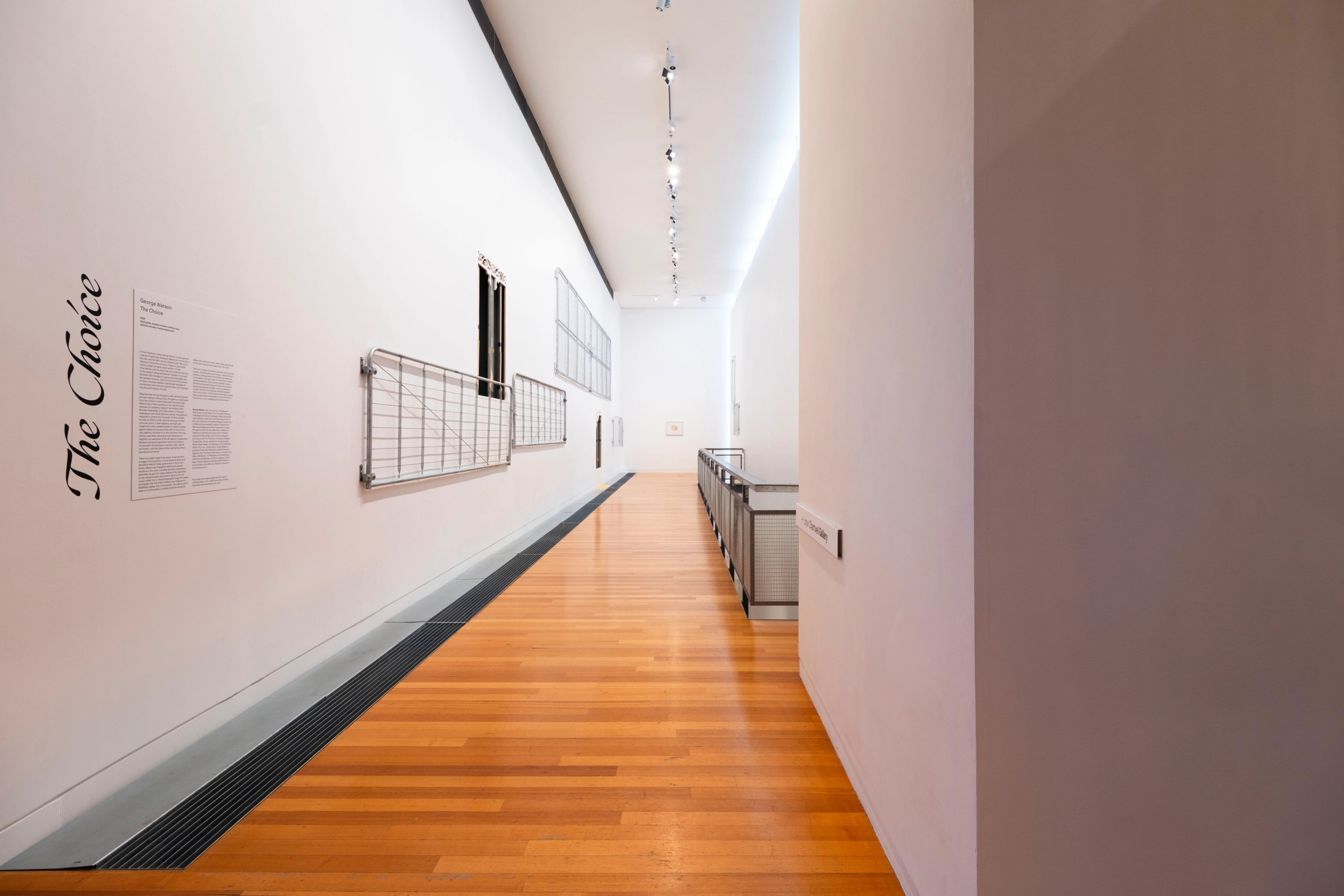
Installation view, George Watson, The Choice, 2026, Te Pātaka Toi Adam Art Gallery, Te Herenga Waka—Victoria University of Wellington. Photo: Ted Whitaker.
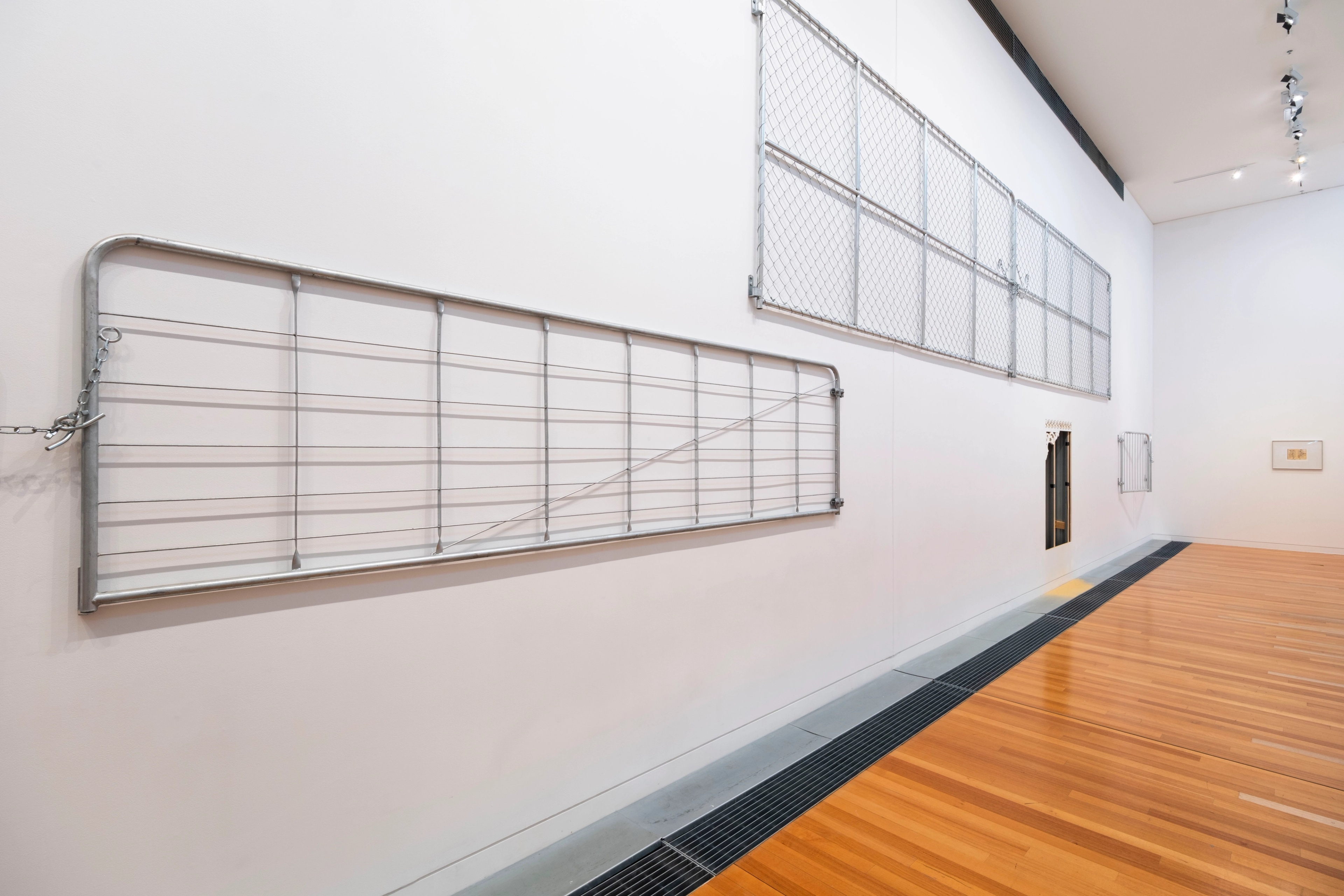
Installation view, George Watson, The Choice, 2026, Te Pātaka Toi Adam Art Gallery, Te Herenga Waka—Victoria University of Wellington. Photo: Ted Whitaker.
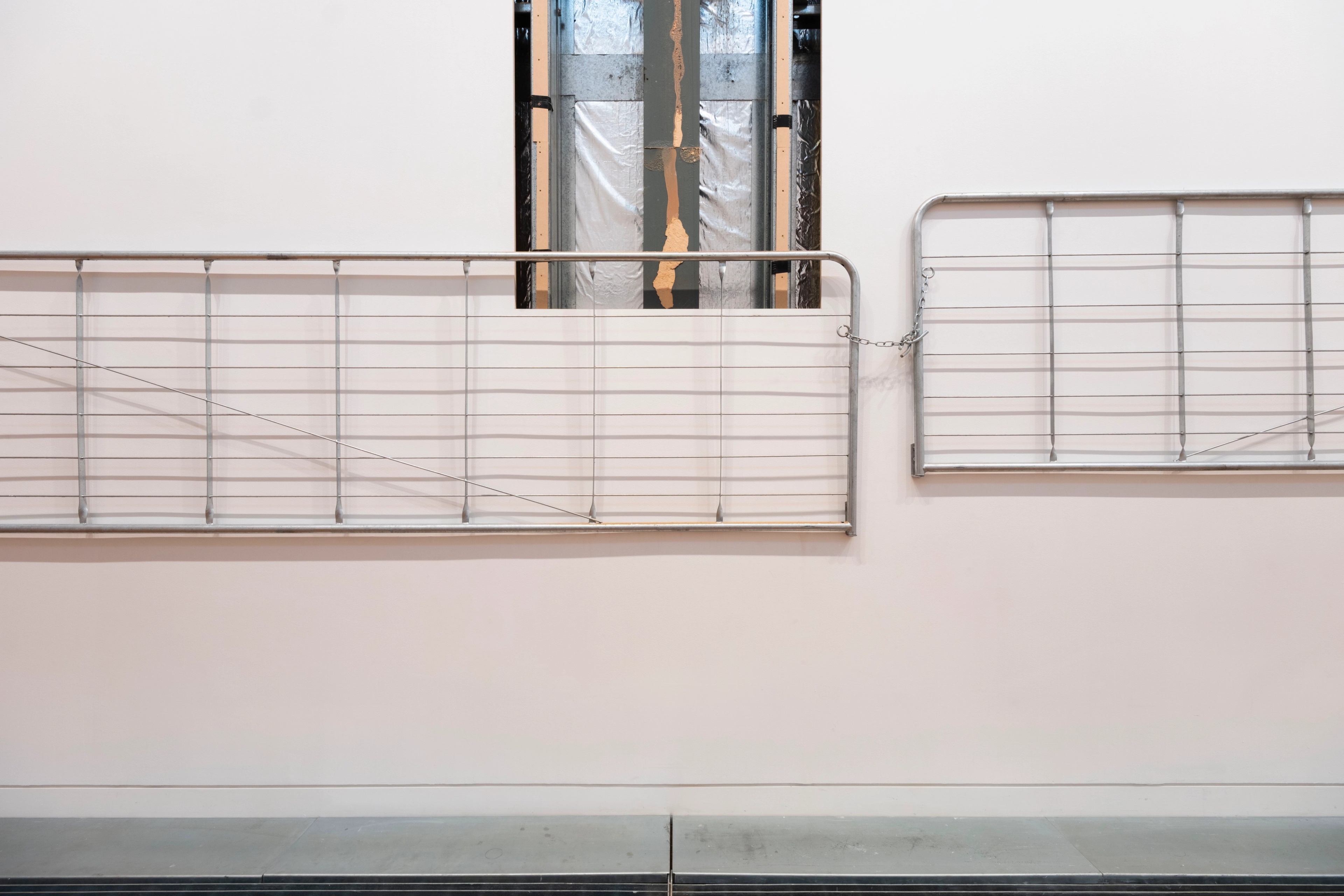
Installation view, George Watson, The Choice, 2026, Te Pātaka Toi Adam Art Gallery, Te Herenga Waka—Victoria University of Wellington. Photo: Ted Whitaker.
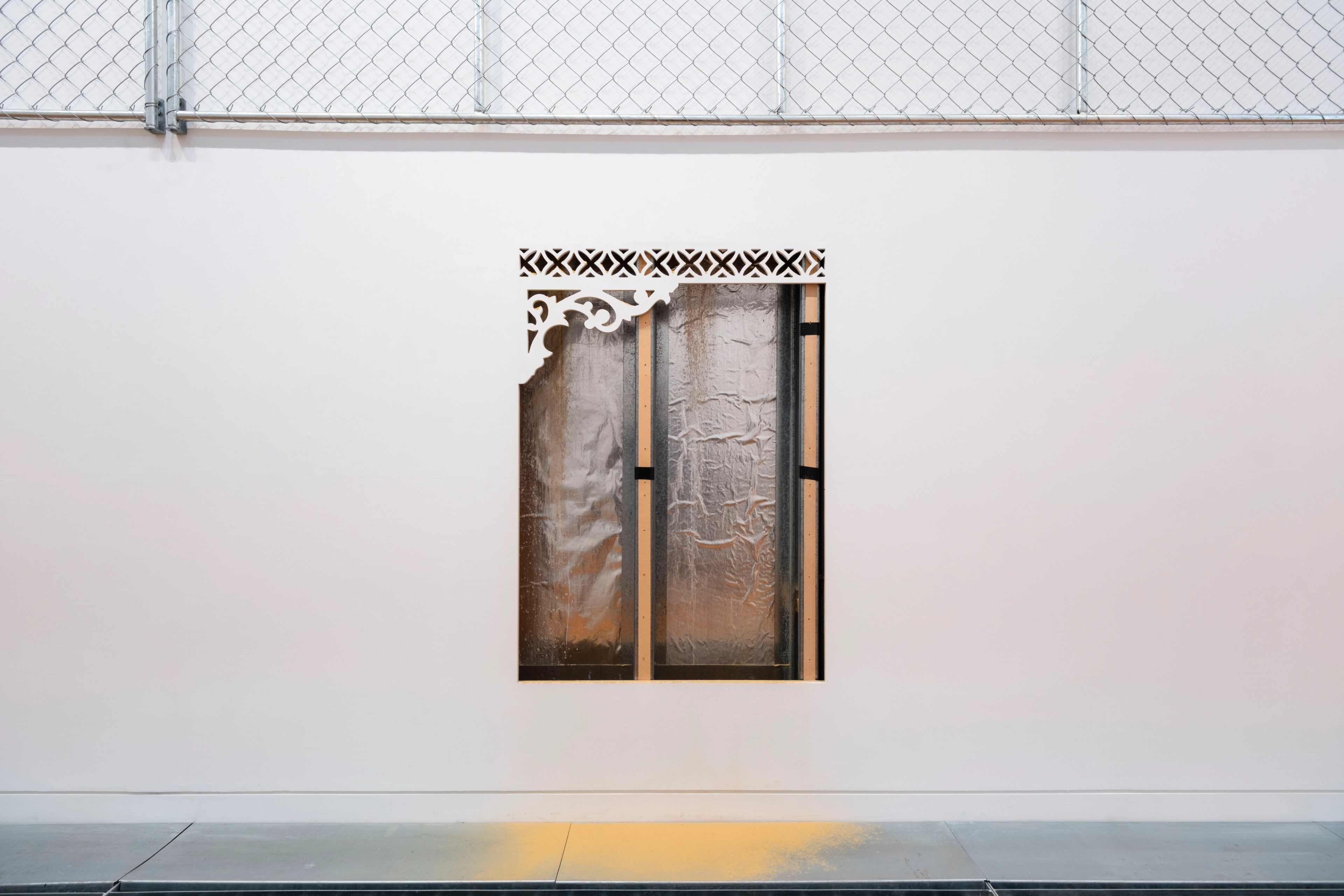
Installation view, George Watson, The Choice (detail), 2026, Te Pātaka Toi Adam Art Gallery, Te Herenga Waka—Victoria University of Wellington. Photo: Ted Whitaker.
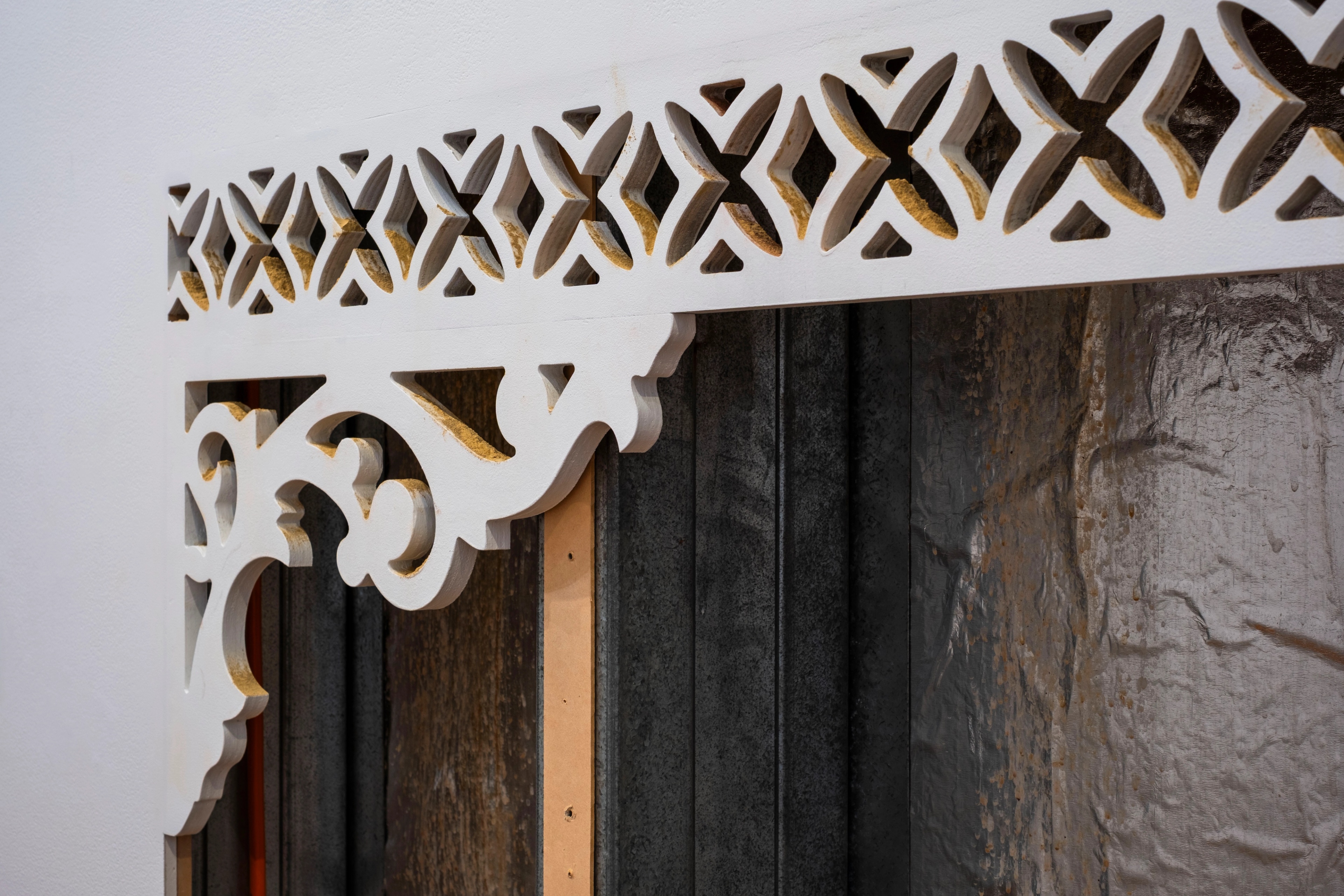
Installation view, George Watson, The Choice (detail), 2026, Te Pātaka Toi Adam Art Gallery, Te Herenga Waka—Victoria University of Wellington. Photo: Ted Whitaker.
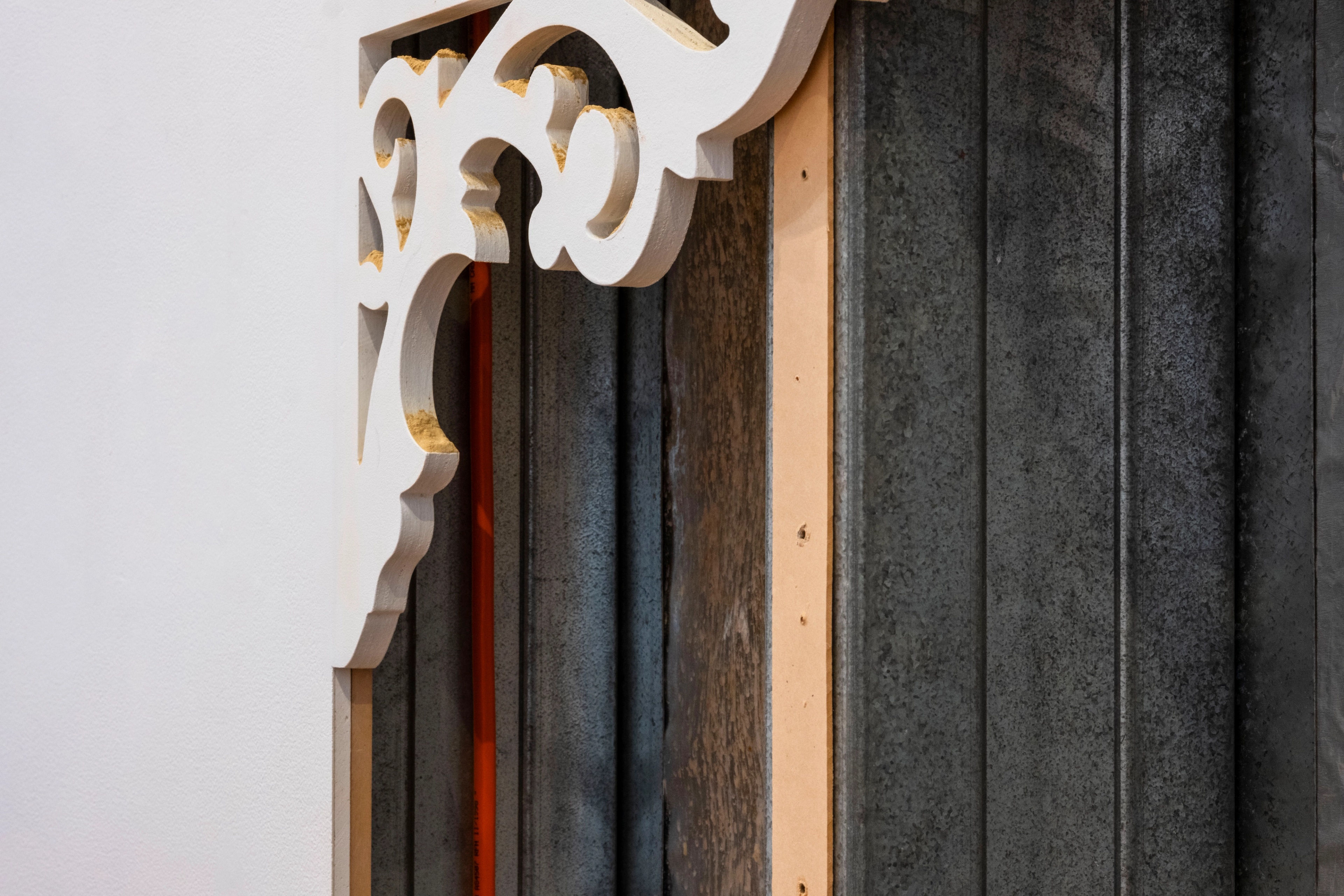
Installation view, George Watson, The Choice (detail), 2026, Te Pātaka Toi Adam Art Gallery, Te Herenga Waka—Victoria University of Wellington. Photo: Ted Whitaker.
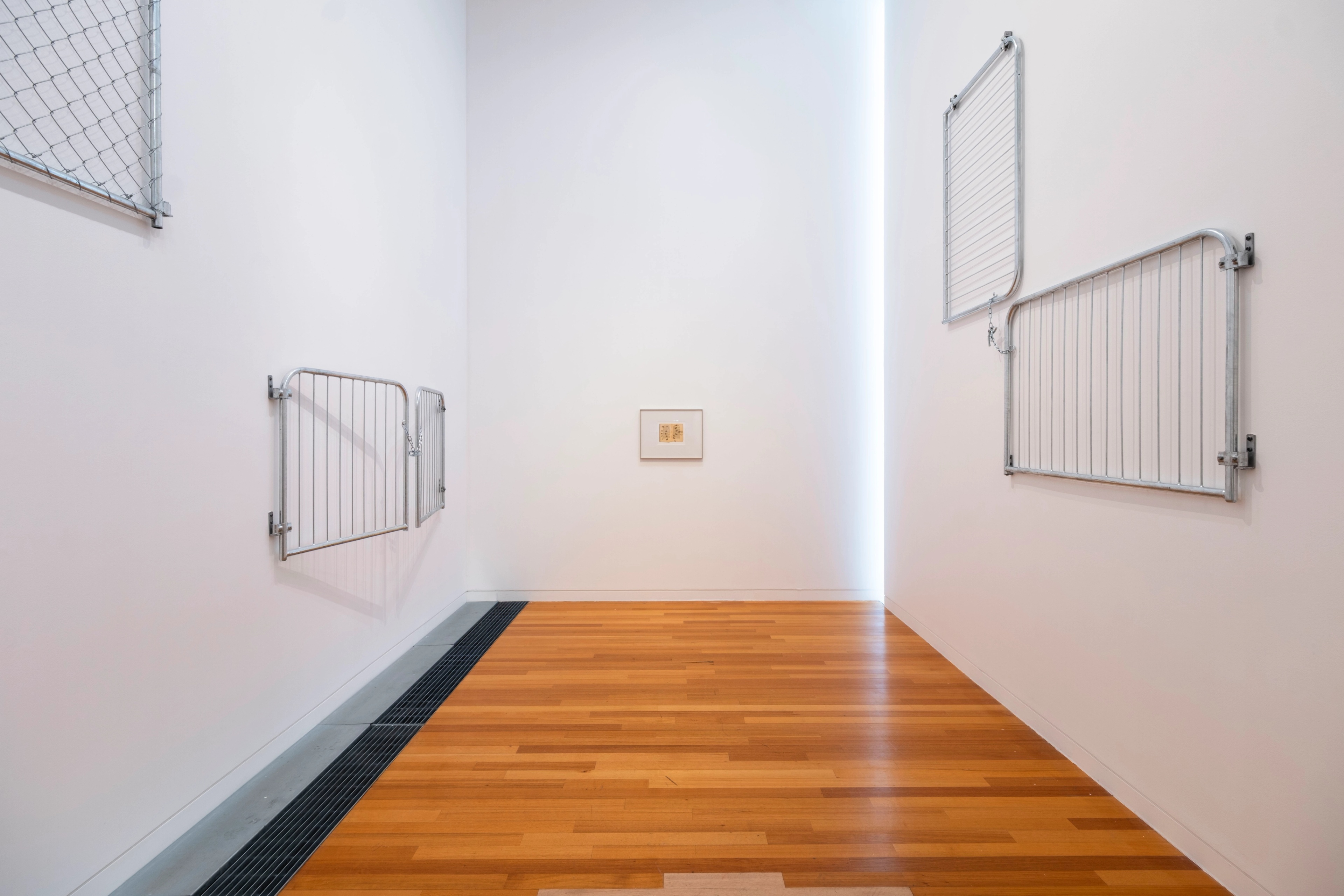
Installation view, George Watson, The Choice, 2026, Te Pātaka Toi Adam Art Gallery, Te Herenga Waka—Victoria University of Wellington. Photo: Ted Whitaker.
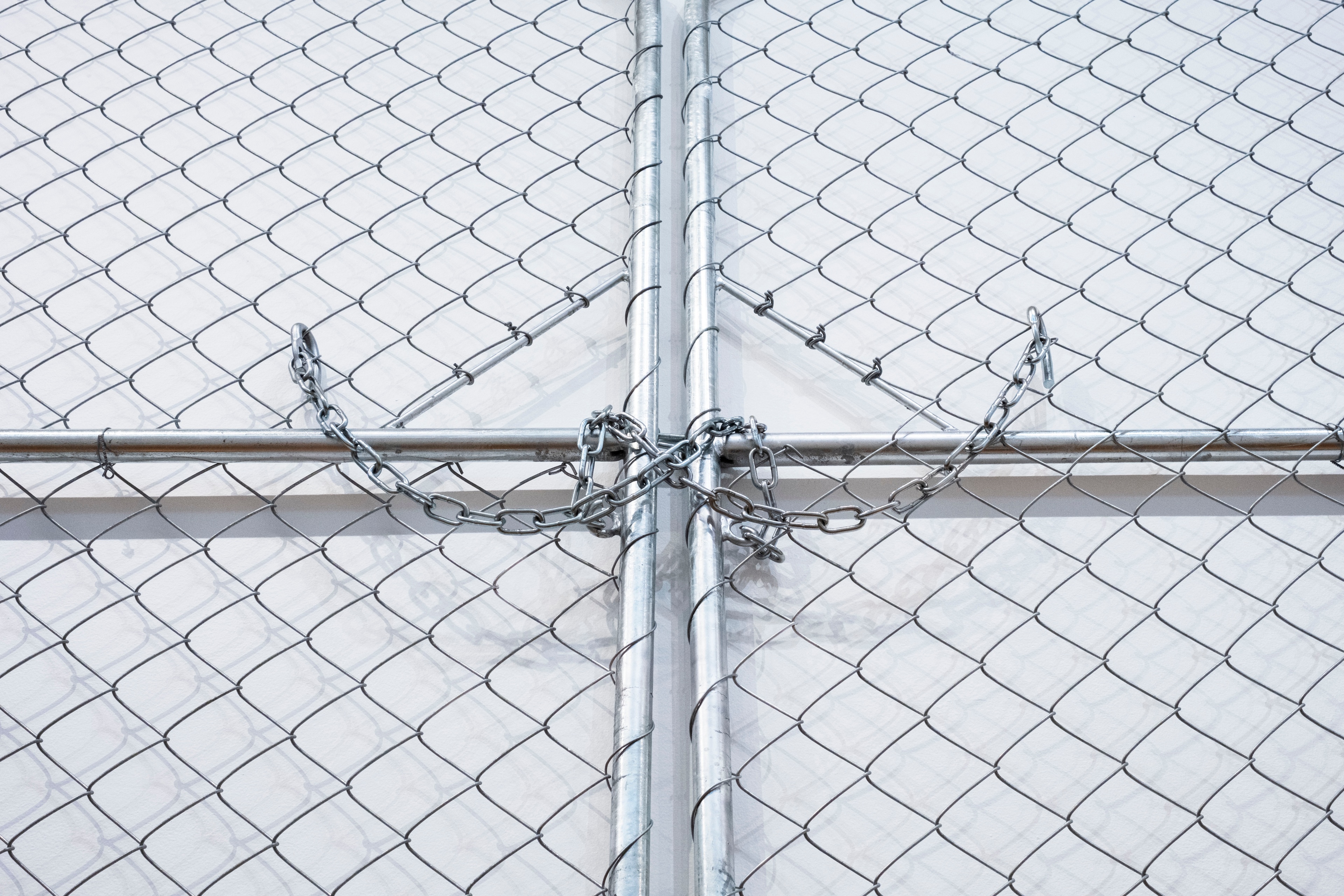
Installation view, George Watson, The Choice (detail), 2026, Te Pātaka Toi Adam Art Gallery, Te Herenga Waka—Victoria University of Wellington. Photo: Ted Whitaker.
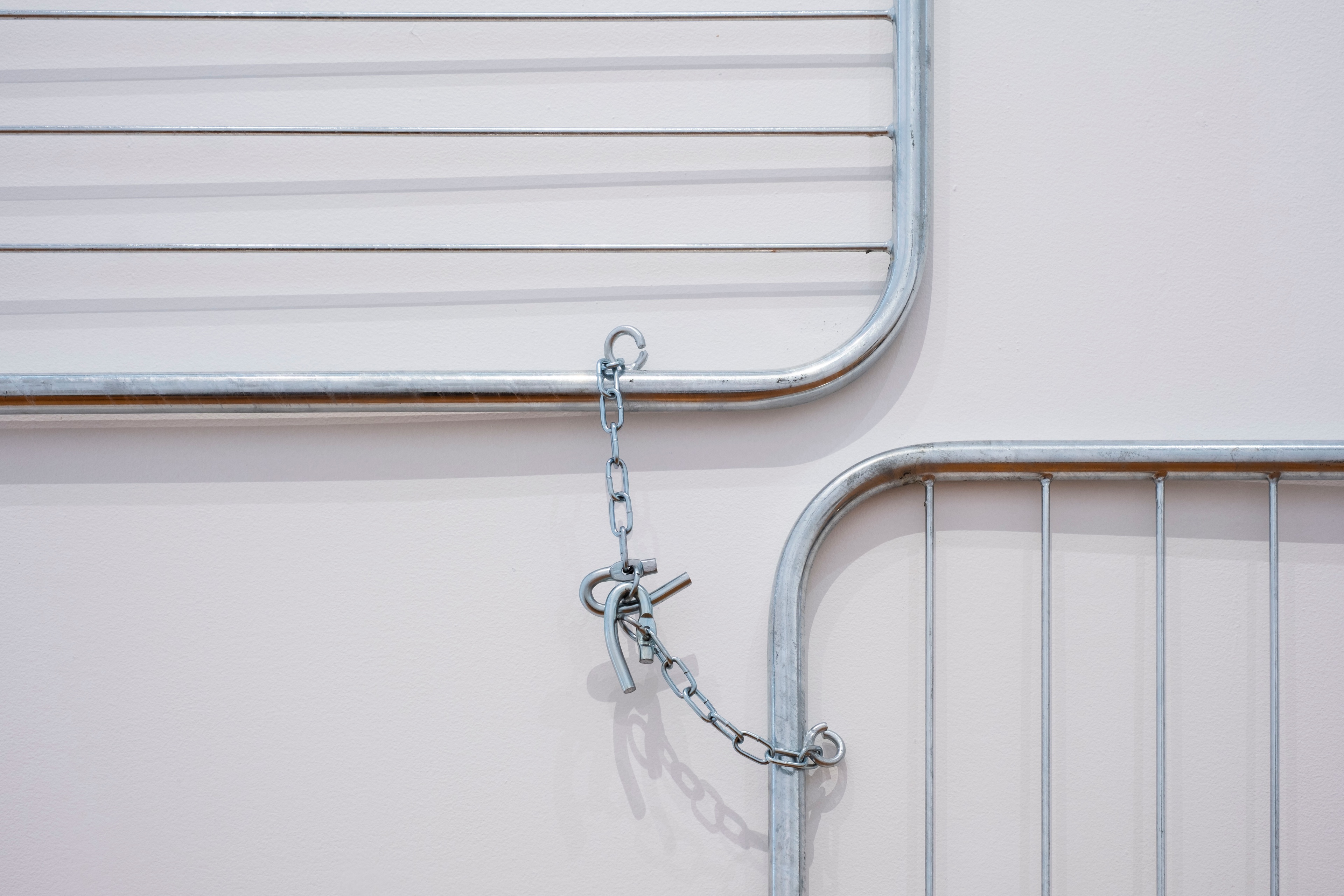
Installation view, George Watson, The Choice (detail), 2026, Te Pātaka Toi Adam Art Gallery, Te Herenga Waka—Victoria University of Wellington. Photo: Ted Whitaker.
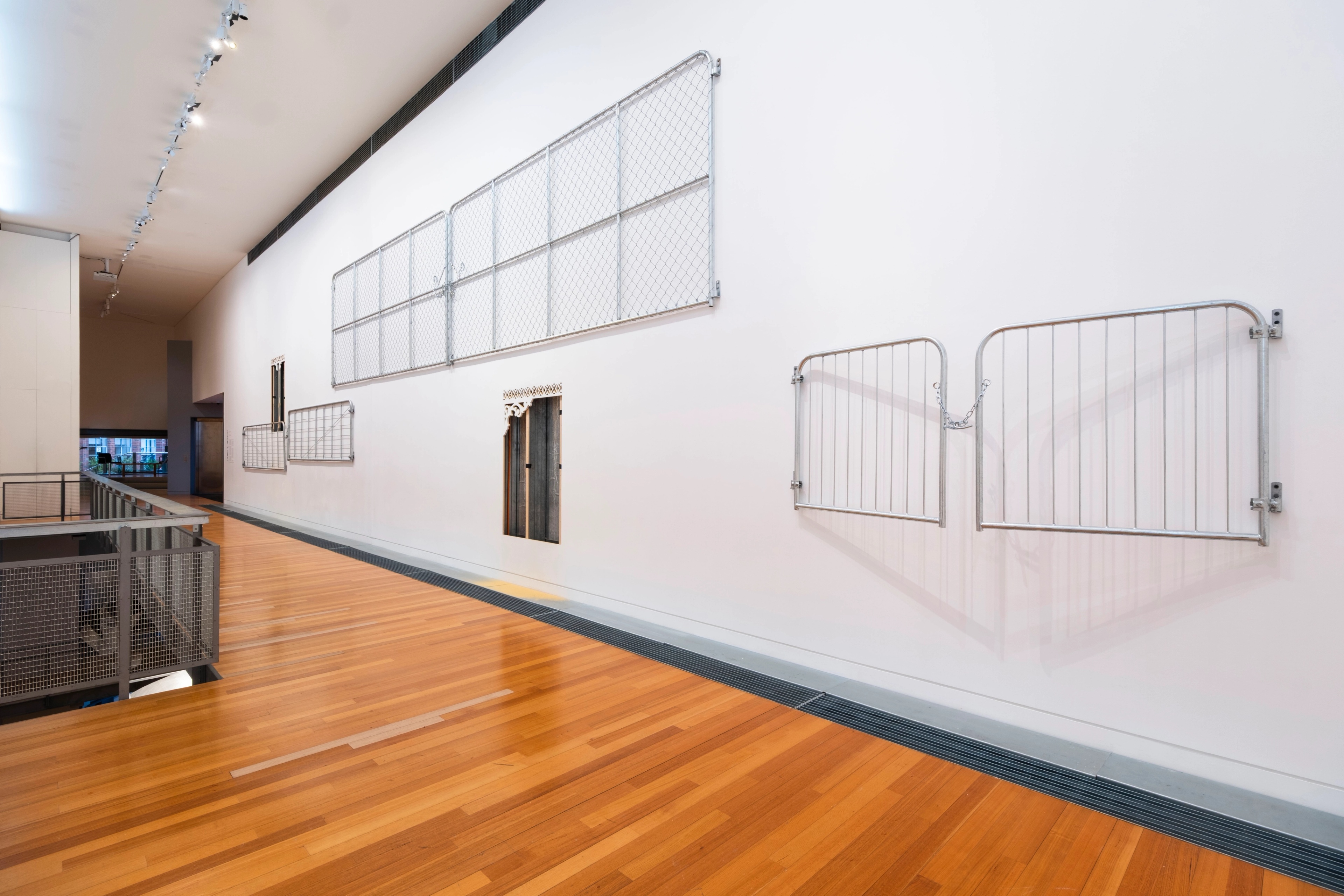
Installation view, George Watson, The Choice, 2026, Te Pātaka Toi Adam Art Gallery, Te Herenga Waka—Victoria University of Wellington. Photo: Ted Whitaker.
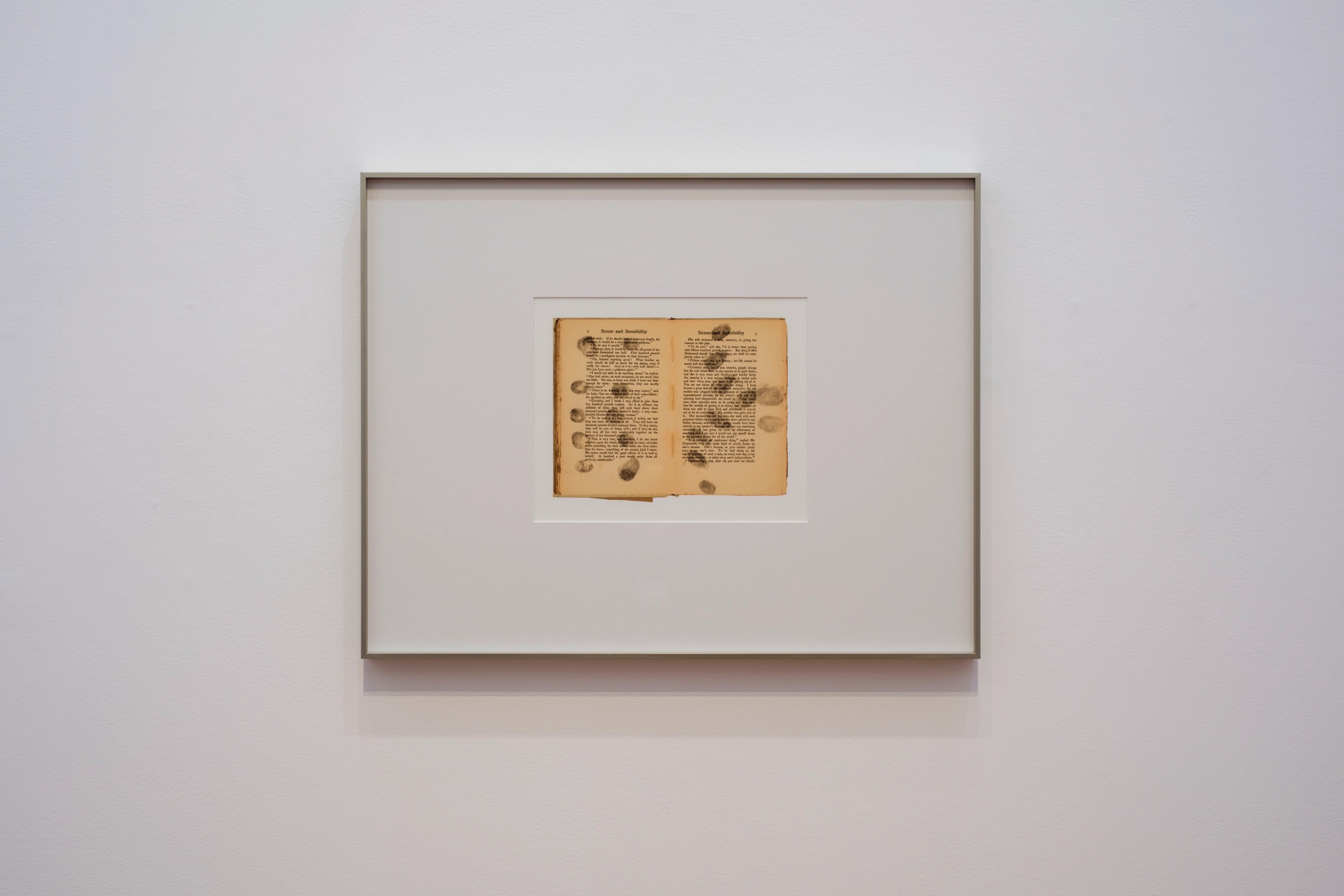
Installation view, George Watson, The Choice, 2026, Te Pātaka Toi Adam Art Gallery, Te Herenga Waka—Victoria University of Wellington. Photo: Ted Whitaker.
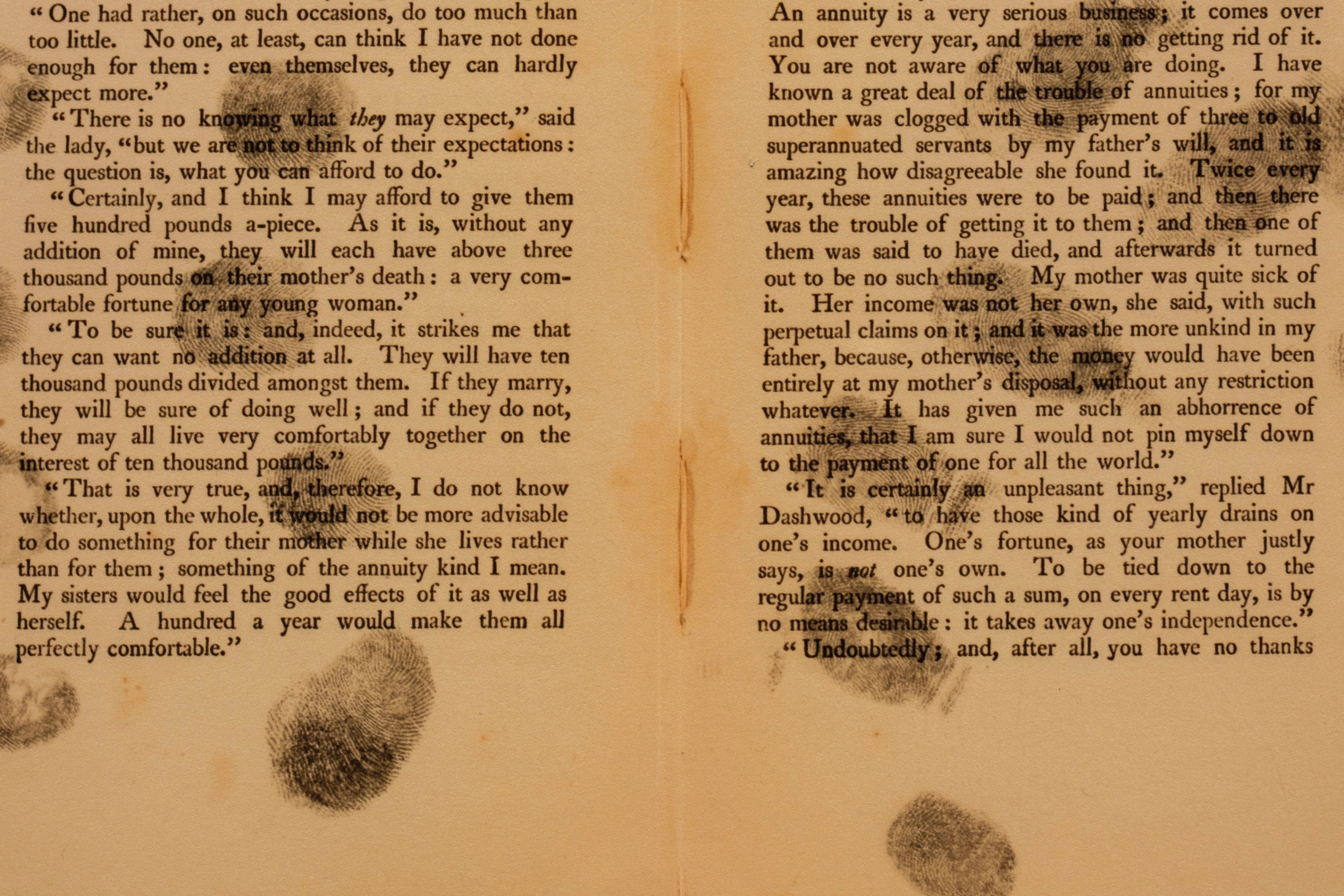
Installation view, George Watson, The Choice (detail), 2026, Te Pātaka Toi Adam Art Gallery, Te Herenga Waka—Victoria University of Wellington. Photo: Ted Whitaker.
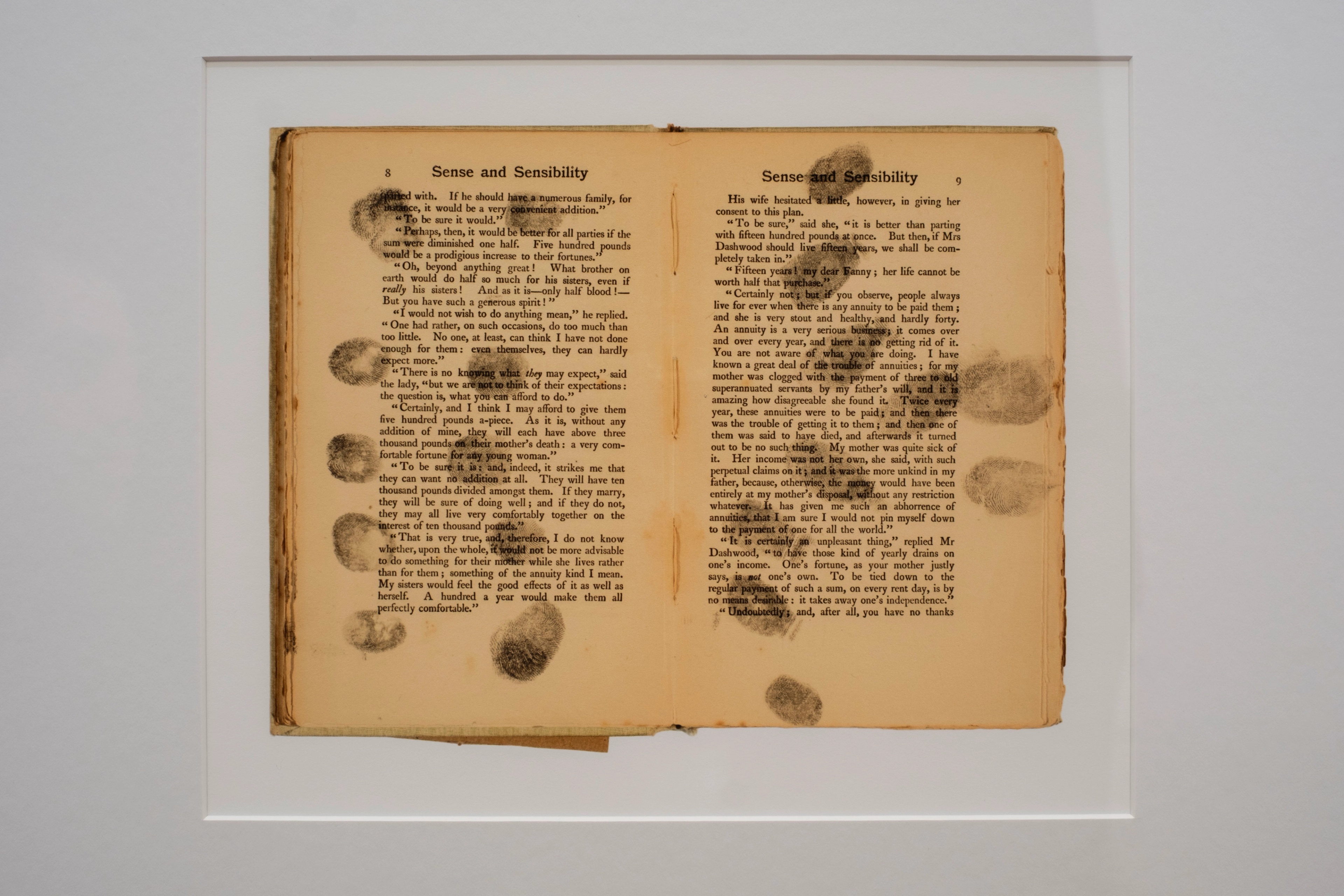
Installation view, George Watson, The Choice (detail), 2026, Te Pātaka Toi Adam Art Gallery, Te Herenga Waka—Victoria University of Wellington. Photo: Ted Whitaker.
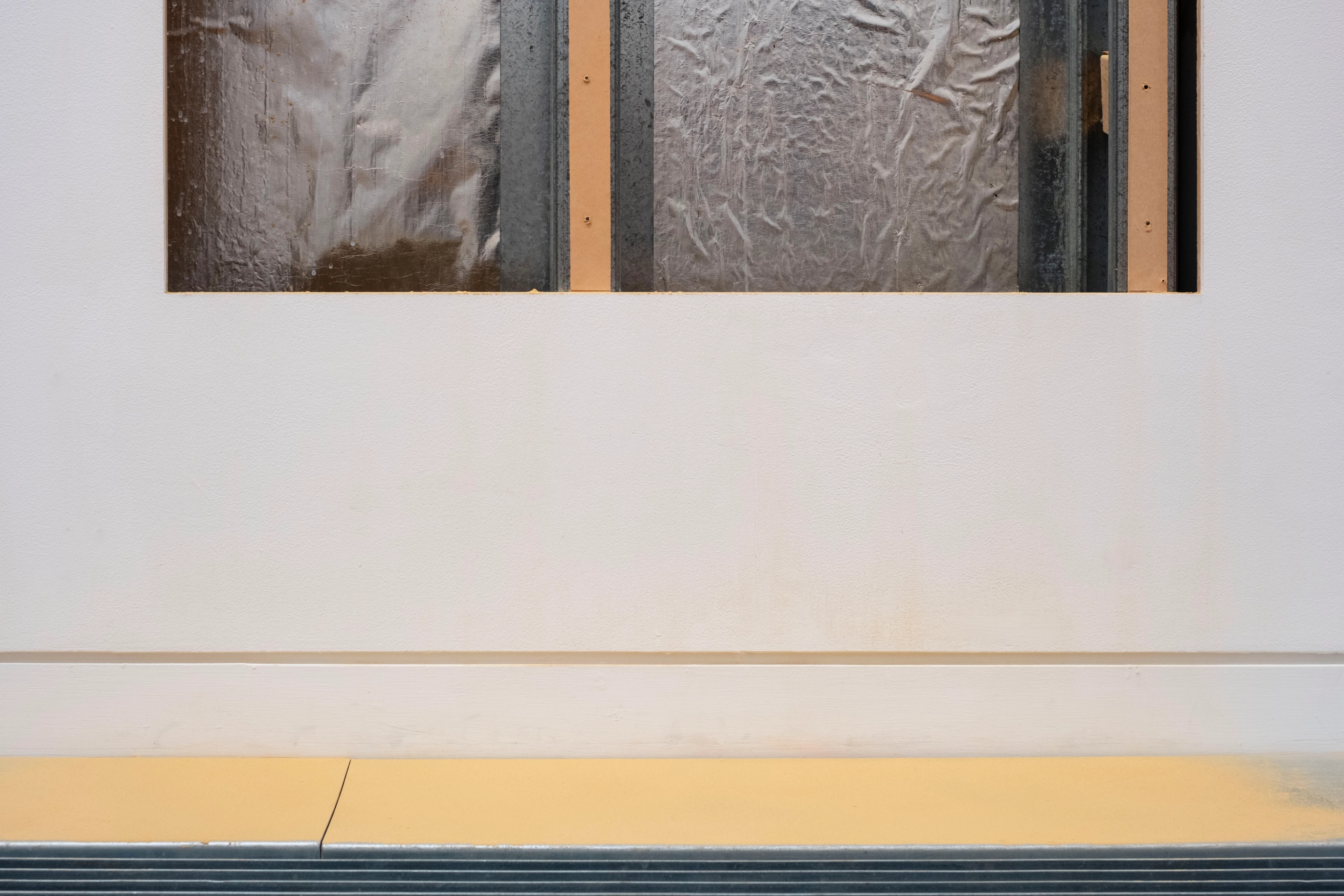
Installation view, George Watson, The Choice (detail), 2026, Te Pātaka Toi Adam Art Gallery, Te Herenga Waka—Victoria University of Wellington. Photo: Ted Whitaker.