Still Present: Exploring Psychiatric Institutions in Photography
Jono Rotman
Anne Ferran
Chien-Chi Chang
curated by Sophie McIntyre
12 May – 17 July 2005
Still Present: Exploring Psychiatric Institutions in Photography explored the corporeal and subliminal nature of psychiatric institutions, with a focus on the spaces and those who occupy them. Curated by Sophie McIntyre, the photographs in Still Present investigated aspects of the ‘in between’, exploring the interplay between the real and the illusory, public and private, and fact and fiction.
Over the centuries, mental illness has been the focus of considerable human interest, attracting extensive scientific and scholarly analysis as well as media attention. Prior to the nineteenth century, mental illness was associated with the sacred, a signifier of ‘mysterious and metaphysical’ forces at play. With the advent of modern sciences, the dialectic between reason and insanity emerged and a new space of exclusion was established. As a shift towards moral reform in the nineteenth century, the ‘asylum era’, as it became known, advocated for the institutionalisation and segregation of the mentally ill. French philosopher and theoretician, Michel Foucault, famously described these mental institutions as a Panopticon – a system of surveillance and control. More recently, with the de-institutionalisation of mental health, many of these psychiatric hospitals have been closed down.
In this exhibition, the conjunction between ‘institutional’ and ‘domestic’/ ‘social’ space co-existing in the confines of a psychiatric hospital, is one of the key themes explored. The ‘site’, as a physical space, is not the central focus of attention for these artists. Rather it is the way in which the site becomes a receptacle for the expression of human existence. A glance, a gesture, a graffiti-inscribed door are all signifiers of human interaction or intervention.
Anne Ferran and Chien-Chi Chang’s photographic portraits explored the construction of social/power relations within the institution, whereas Jono Rotman focused on the architectural construction of abandoned and unpeopled institutions, examining the traces of human life that remain within them.
Their works transcend the boundaries of documentary photography, re-photographing and re-presenting their subjects as they record and reveal with acute detail and profound insight the daily lives of individuals who occupy these heterotopic spaces, which typically remain unseen or unnoticed. Each of these artists’ series developed over a prolonged period of engagement, often over several years, with their subjects. As such, they are seen as personal observations of the human condition.
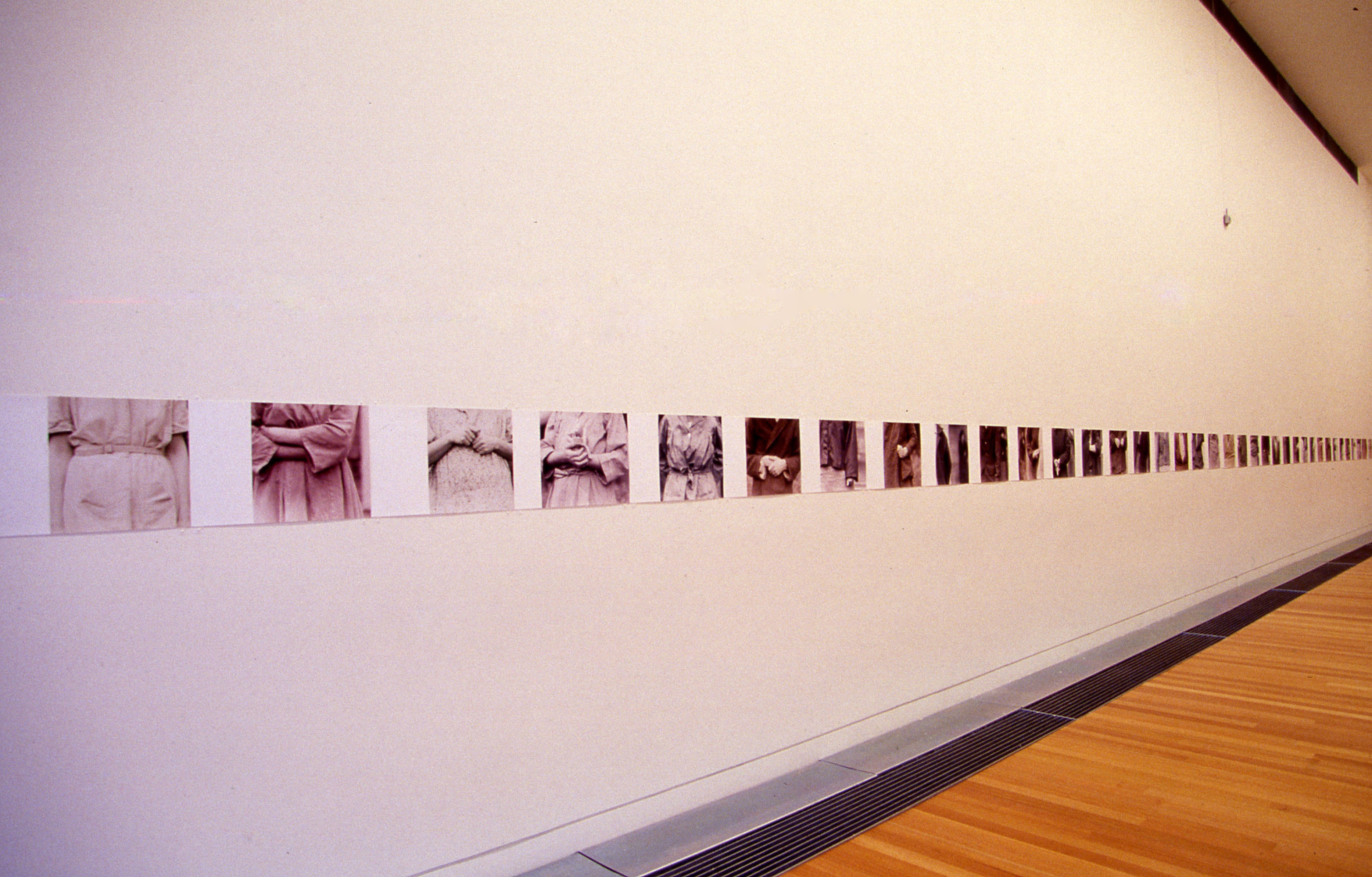
Installation view, Still Present: Exploring Psychiatric Institutions in Photography, Adam Art Gallery Te Pātaka Toi, Victoria University of Wellington, 2005
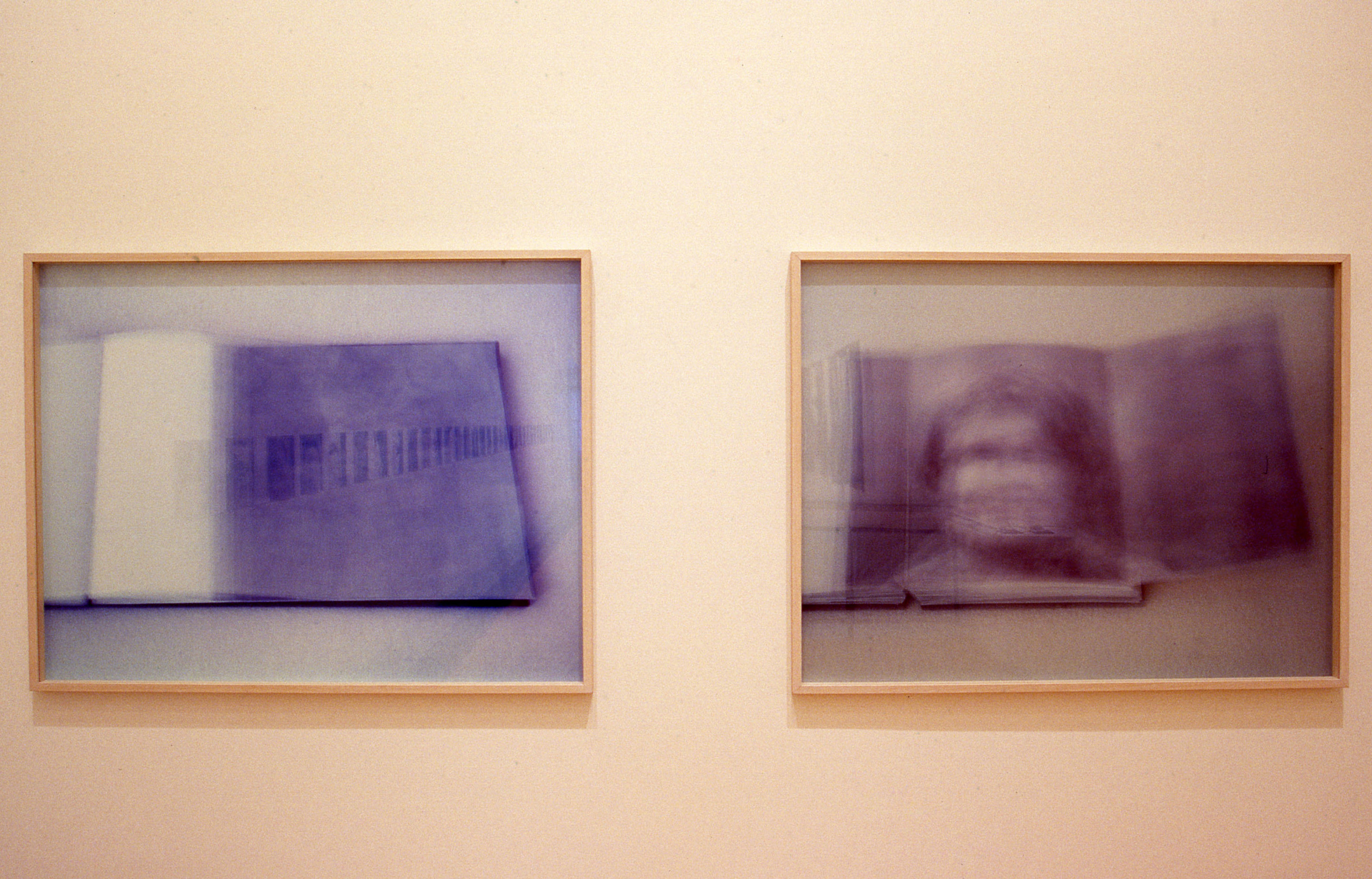
Installation view, Still Present: Exploring Psychiatric Institutions in Photography, Adam Art Gallery Te Pātaka Toi, Victoria University of Wellington, 2005
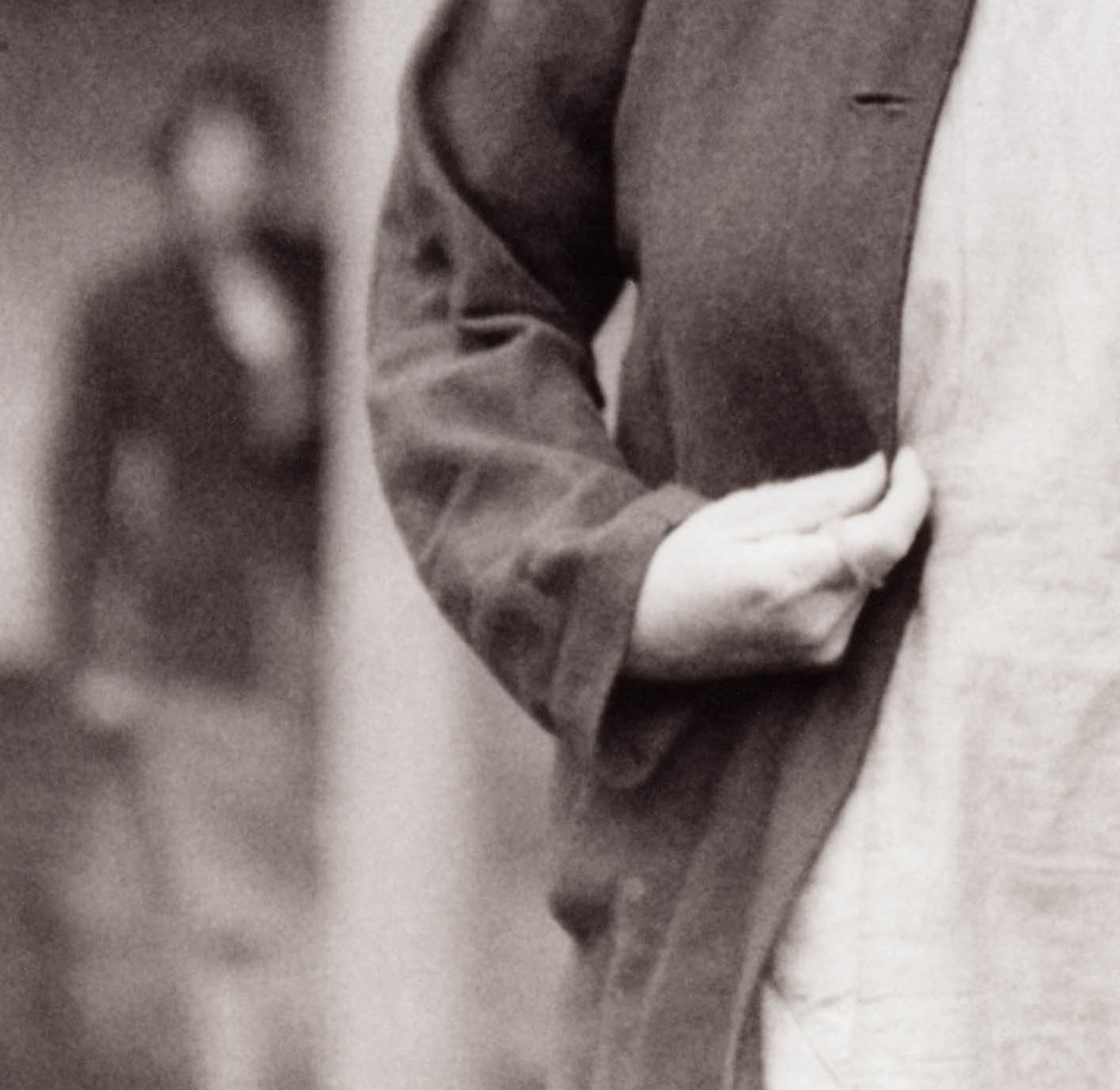
Anne Ferran, 1-38 (detail), 38 inkjet prints on paper, 328 x 483mm each. Courtesy of the artist
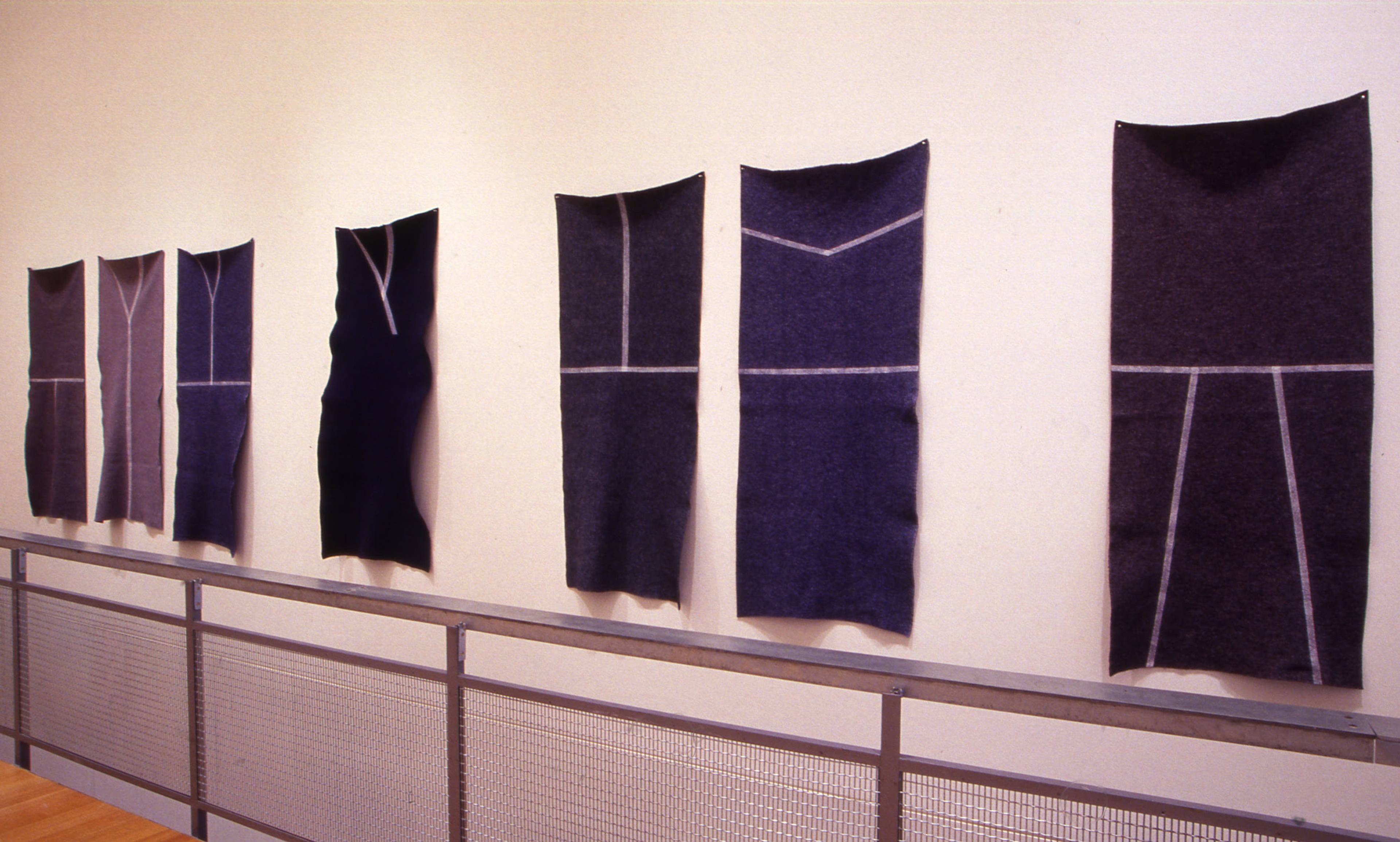
Installation view, Still Present: Exploring Psychiatric Institutions in Photography, Adam Art Gallery Te Pātaka Toi, Victoria University of Wellington, 2005
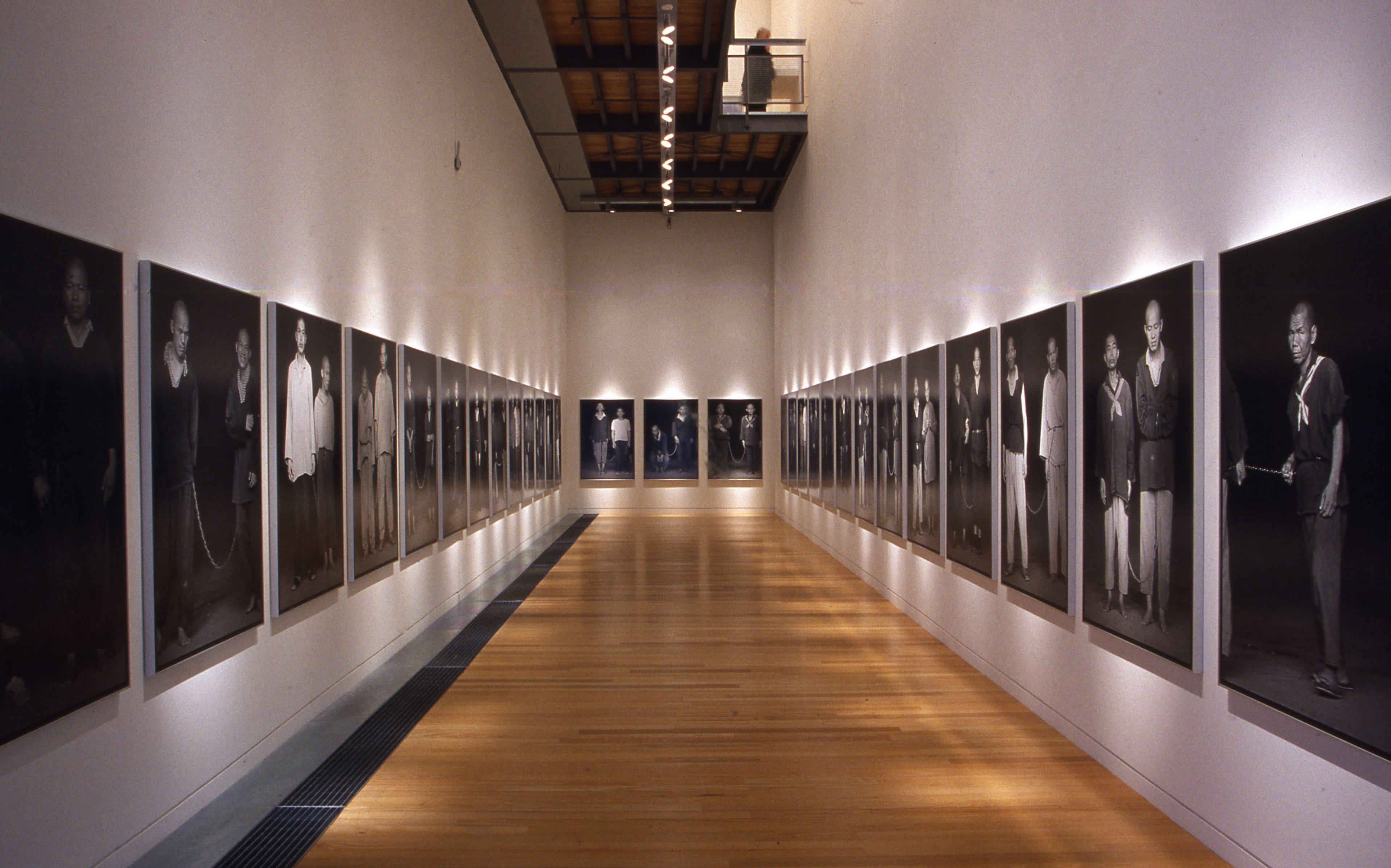
Installation view, Still Present: Exploring Psychiatric Institutions in Photography, Adam Art Gallery Te Pātaka Toi, Victoria University of Wellington, 2005
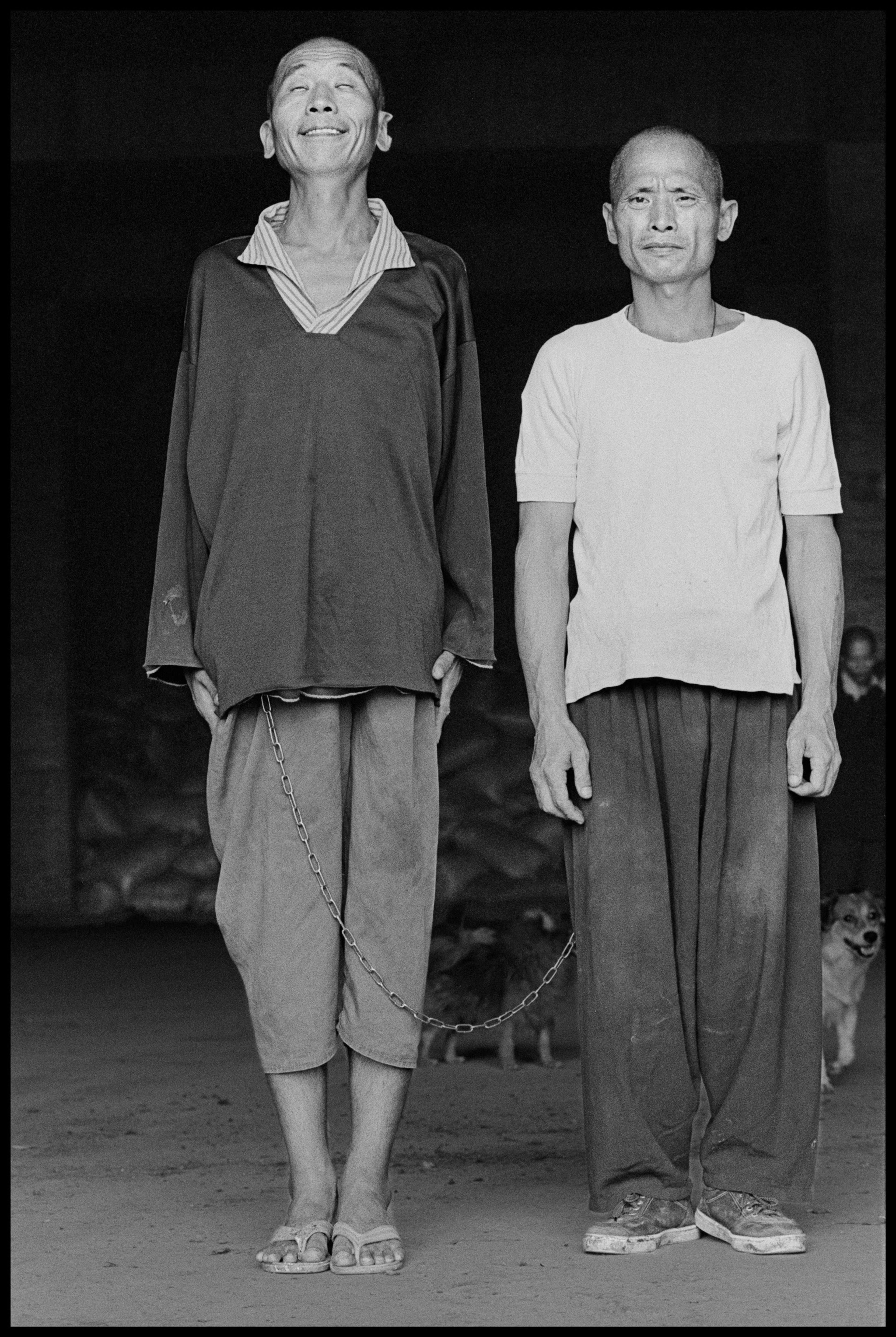
Chien-Chi Chang, The Chain (detail), 31 silver gelatin photographs, 1073 x 1578mm each. Courtesy of the artist
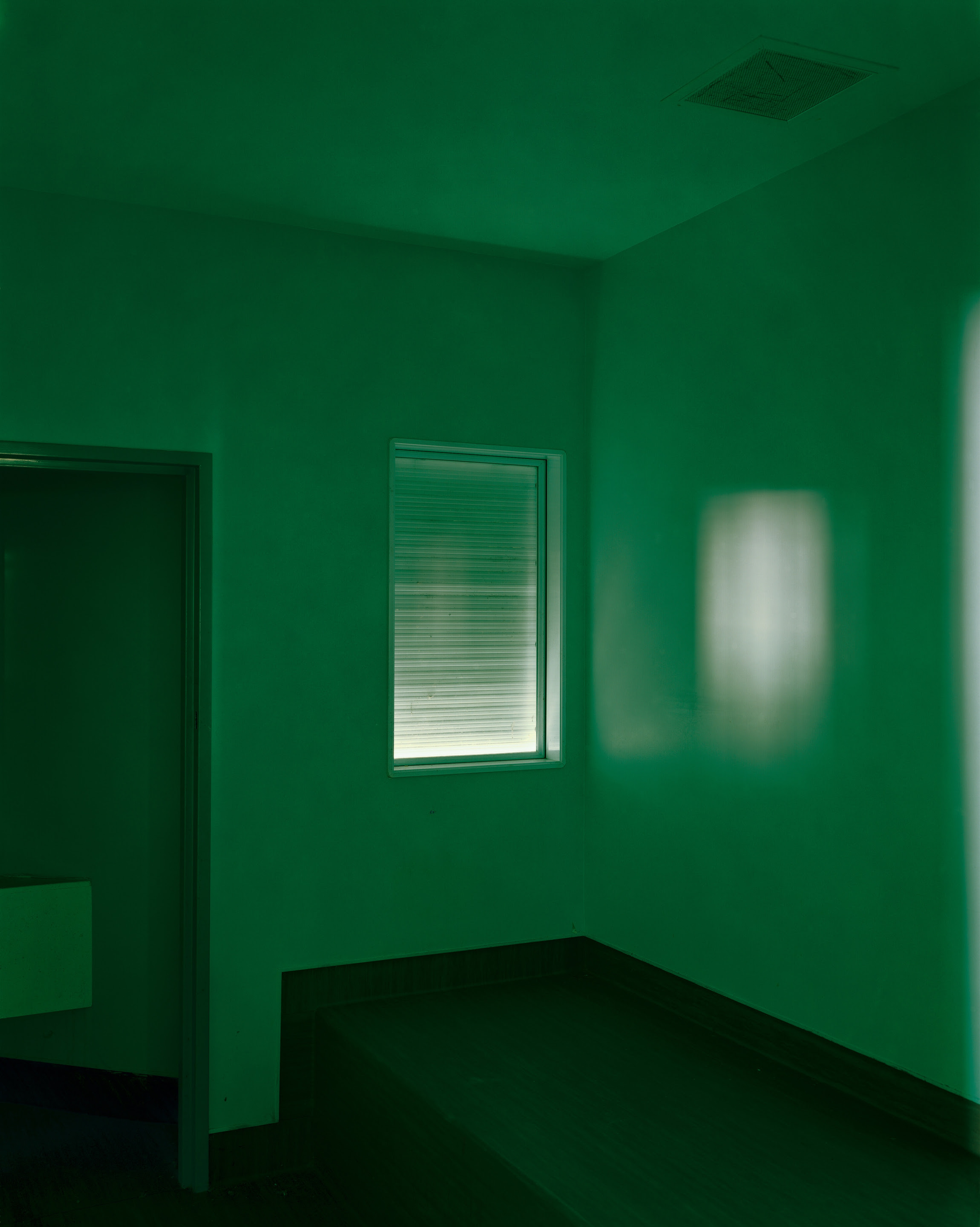
Jono Rotman, Observation Cell, New Plymouth Prison 13.12.2003, Duratrans and lightbox, 1500 x 1200mm. Courtesy of the artist
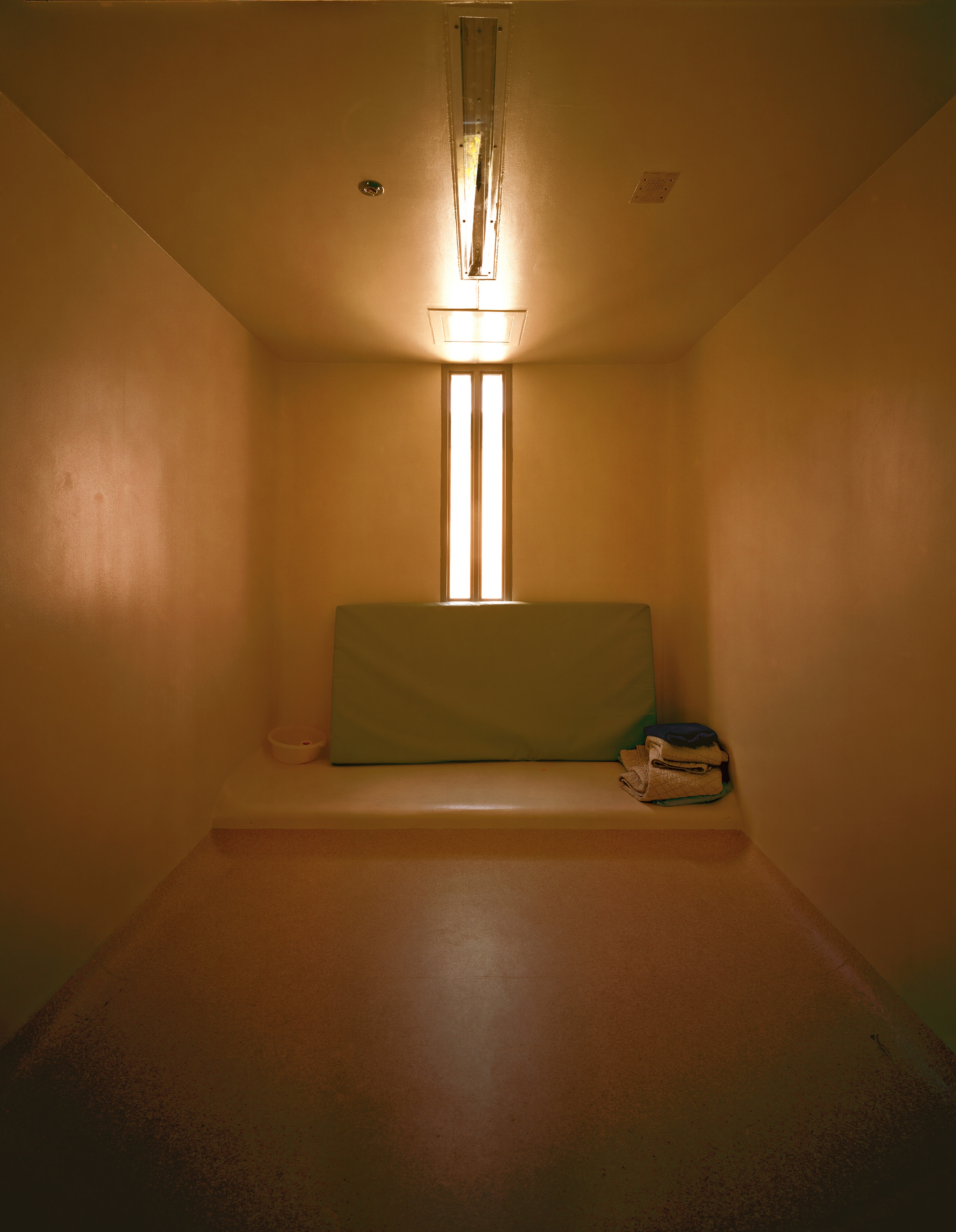
Jono Rotman, Observation Cell, Arohata Womens Prison 12.02.2003, Duratrans and lightbox, 1500 x 1200mm. Courtesy of the artist