Camera Work
Fiona Amundsen
John Lake
Simon Starling
Kohei Yoshiyuki
23 January – 15 April 2012
For the 2012 festival season the Adam Art Gallery at Victoria University of Wellington presented a suite of four solo exhibitions that offered different takes on photography. Recording people and places, these artists’ projects modeled strikingly different documentary approaches, offering viewers a provocative opportunity to ask what it means when a camera is used to capture a subject, both in the moment and for posterity.
John Lake
The Campus, 2011
Initiated and facilitated by Laura Preston
An underlying theoretical law of quantum physics, Heisenberg’s Uncertainty Principle, describes the impossibility of simultaneously knowing both the exact position and speed of a particle. Although either one can separately be known, the more precisely a quantity is measured the more the method of acquiring this measurement distorts the ability to quantify the other.
This installation was the first presentation of Wellington-based artist John Lake’s The Campus, a year-long, multi-facetted project documenting life at Victoria University, which was commissioned by the Victoria University of Wellington Art Collection Trust for the university’s art collection. Consisting of ten framed photographs, an artist’s book and video footage, The Campus offers one artist’s engaged view of the university environment. The work was presented as a situation inviting discussion. Founded in an understanding of the role of photography as an ethnographic or anthropological tool, and a critical awareness of the limits of the medium’s usefulness as an objective witness, this project expands on and lays open the complexities of the research process. As the artist admits, what started as a broad survey of the mundane workings of the university, turned into an increasingly subjective take on the genesis of positions and narratives at odds with the dominant socio-political framework of the institution.
Lake invokes Heisenberg’s Uncertainty Principle as a convenient analogy for the problems he encountered in documenting events in this socio-cultural context. The more closely he attempted to identify the ideological position of one particular group the more his lens distorted the events he sought to record, proving that the observer can never know both positions simultaneously. This is a useful lesson for any documentarian, which helps define the artist’s approach to his subject and informs his wider practice: this is dedicated to articulating the means by which individuals and groups define and construct themselves in relation to their wider social milieu. Yet as The Campus proves, despite the exhaustive nature of the archive that has been acquired, the photographic image is never fixed; meaning is context dependent just as ideological positions are never absolute.
Fiona Amundsen
The First City in History, 2010
Fiona Amundsen describes her project as follows:
The First City in History seeks to explore the disparity between the uniquely subjective experiences of being in historically and culturally loaded public sites such as the Hiroshima Peace Memorial Park, and their representation through photography. This project also plays on the socio-cultural understanding of both site and photography – the former is linked to how photographs actually do reveal something about what they depict, while the latter is grounded in the notion that space itself is always ‘cultural’. Subsequently, what these photographs disclose have more to do with the invisible structures that make up a city but can’t necessarily be seen in a photograph – things like politics, economics, the social and cultural profiles of a city, its history, all of which influence how a city ends up looking. The First City in History uses specific formal compositional relationships within each photograph’s content to highlight such complexities, upsetting the usual social conventions and narrative associations of photography. It is the little shafts of glowing sunlight, or the soft flow of the sea, or the direction of the lines on the pavement, or the curves of the architecture which become stilled through their photographic representation and therefore begin to offer something else within the usual cityscape, something not normally noticed. These aesthetic traits quite literally point to a different way of looking which then becomes tightly connected to experiences of being in such historically loaded sites. Ultimately, this project uses photography’s affectual potential to investigate how socio-cultural historical narratives … are preserved and then re-enacted through a city’s architecture and planning.
This body of work was also presented at St Paul Street Gallery at Auckland University of Technology and at Dunedin Public Art Gallery.
Simon Starling
Autoxylopyrocycloboros, 2006
A joint project with The Physics Room, Christchurch
The title of this project, with its nod to alchemy, suggests an outmoded philosophy. To me alchemy is particularly interesting when understood in terms of process and not product. It’s not really about attaining gold from base metals but rather the mental space that that process allows – that utopia, if you like. Process over product, that’s the key.
— Simon Starling
British artist Simon Starling’s Autoxylopyrocycloboros documents a project he undertook in Scotland in 2006; this slide sequence being the only permanent record of the event. The original work entailed the artist reclaiming a small steam boat called Dignity from the bottom of Lake Windermere then motoring in it across nearby Loch Long, using the wood from which the boat was constructed to fuel its motion in a process of auto-destruction that eventually returned the vessel to the bottom of the loch. This cycle of recovery and destruction finds its ideal visual analogy in the revolutions of slides that pass through the projector to seamlessly document the performance. As a record that outlasts the action, it offers a metaphor for photography’s historical value; yet Autoxylopyrocycloboros actually takes us nowhere, as each rotation returns us to the beginning; a perpetual return that delivers no final effect.
Starling describes his work as “the physical manifestation of a thought process.” As such it is an absurdist response to the terms of the Cove Park Commission for which the work was executed, which is designed specifically to enable a contemporary artist to undertake a period of artistic research in order to produce new work. Using old technology – steam propulsion and slide projection – Starling provides a humorously fitting analogy for the possible consequences of future real-world auto-destruction, referring – in the raising and sinking of his little vessel – to the Trident submarines that carry missiles as part of the United Kingdom’s strategy of nuclear deterrence that share their base in Loch Long. Autoxylopyrocycloboros is therefore more than a record; it survives as a meditation on history and technology and a pointed critique of our all-too-human investment in progress and the abuse of power to which it gives rise.
This was the first time Simon Starling’s work has been staged in New Zealand.
Kohei Yoshiyuki
The Park, 1971–72
A joint project with Institute of Modern Art, Brisbane, and the Centre for Contemporary Photography, Melbourne, supported by Yossi Milo Gallery, New York.
During the 1970s, photographer Kohei Yoshiyuki frequented Tokyo’s Shinjuku, Yoyogi, and Aoyama parks at night. Armed with a 35mm camera, infrared film, and a flash, he documented those who gathered there for clandestine trysts, as well as others lurking in the bushes who watched them and sometimes participated in their couplings. With their raw, snapshot-like quality, his images not only uncover homosexual and heterosexual exploits, they also provoke questions about our attitudes towards surveillance, voyeurism, and photography, and document a side of Japan we rarely see.
When Yoshiyuki showed The Park in a Tokyo gallery in 1979, the images were blown up to life size, the gallery lights turned off, and visitors given flashlights. “I wanted people to look at the bodies an inch at a time,” he said. A book was produced in 1980, but the work remained largely invisible until 2007, when New York’s Yossi Milo Gallery presented a new edition of the prints.
As Martin Parr writes, The Park is “a brilliant piece of social documentation, capturing perfectly the loneliness, sadness, and desperation that so often accompany sexual or human relationships in a big, hard metropolis like Tokyo.”
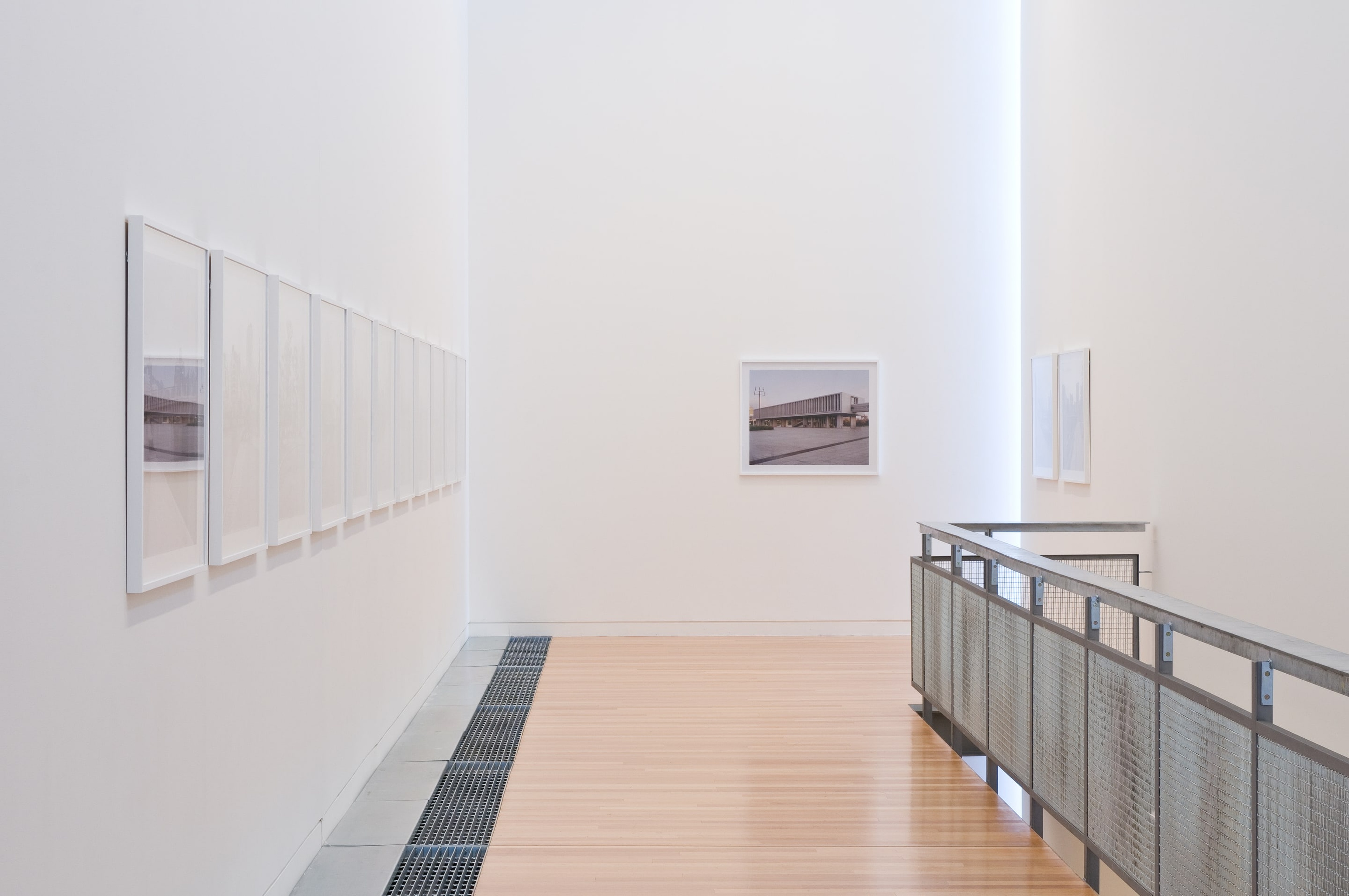
Fiona Amundsen, The First City in History, 2010. Installation view, Adam Art Gallery Te Pātaka Toi, Victoria University of Wellington, 2012. Photo: Robert Cross
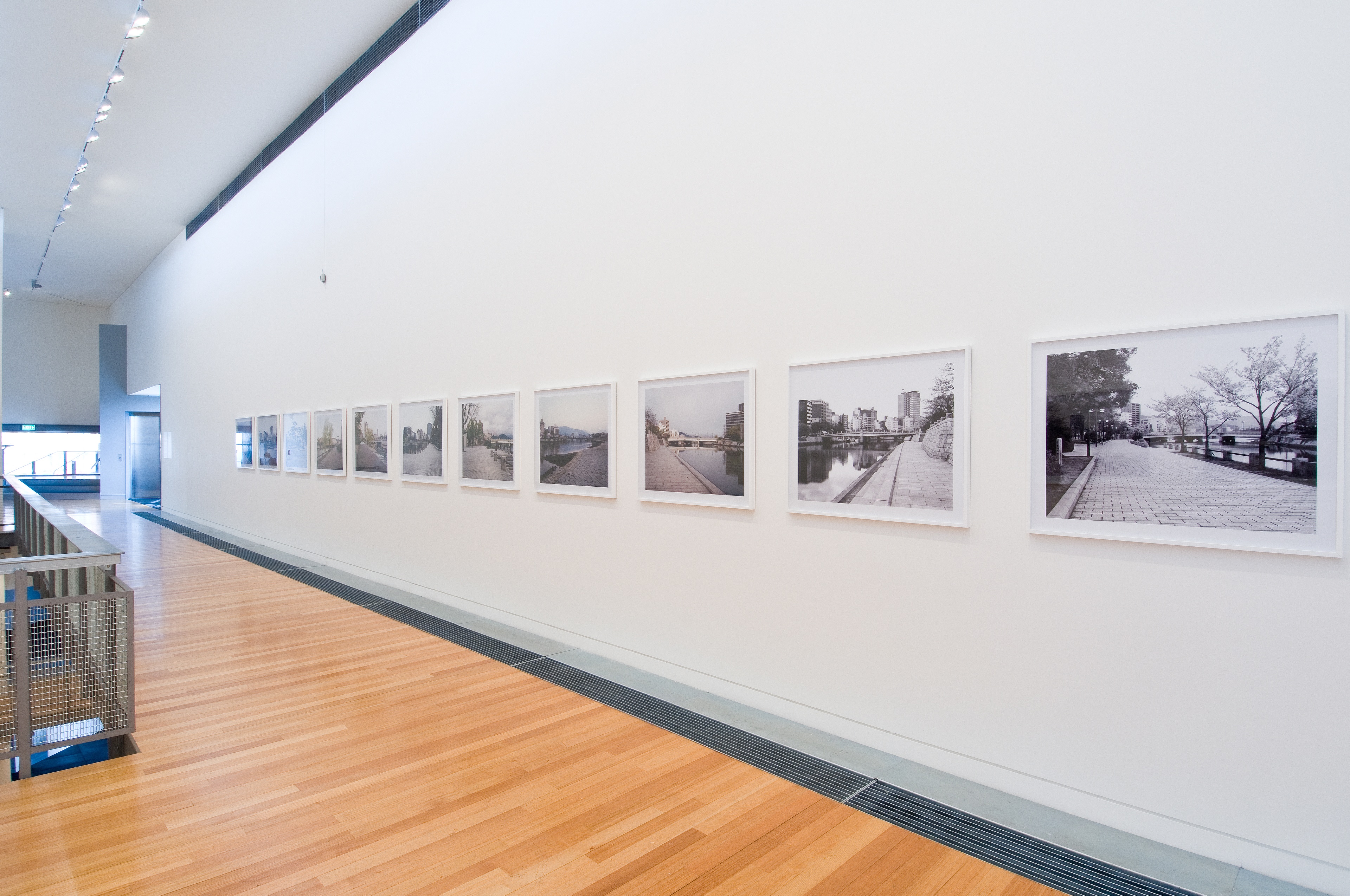
Fiona Amundsen, The First City in History, 2010. Installation view, Adam Art Gallery Te Pātaka Toi, Victoria University of Wellington, 2012. Photo: Robert Cross
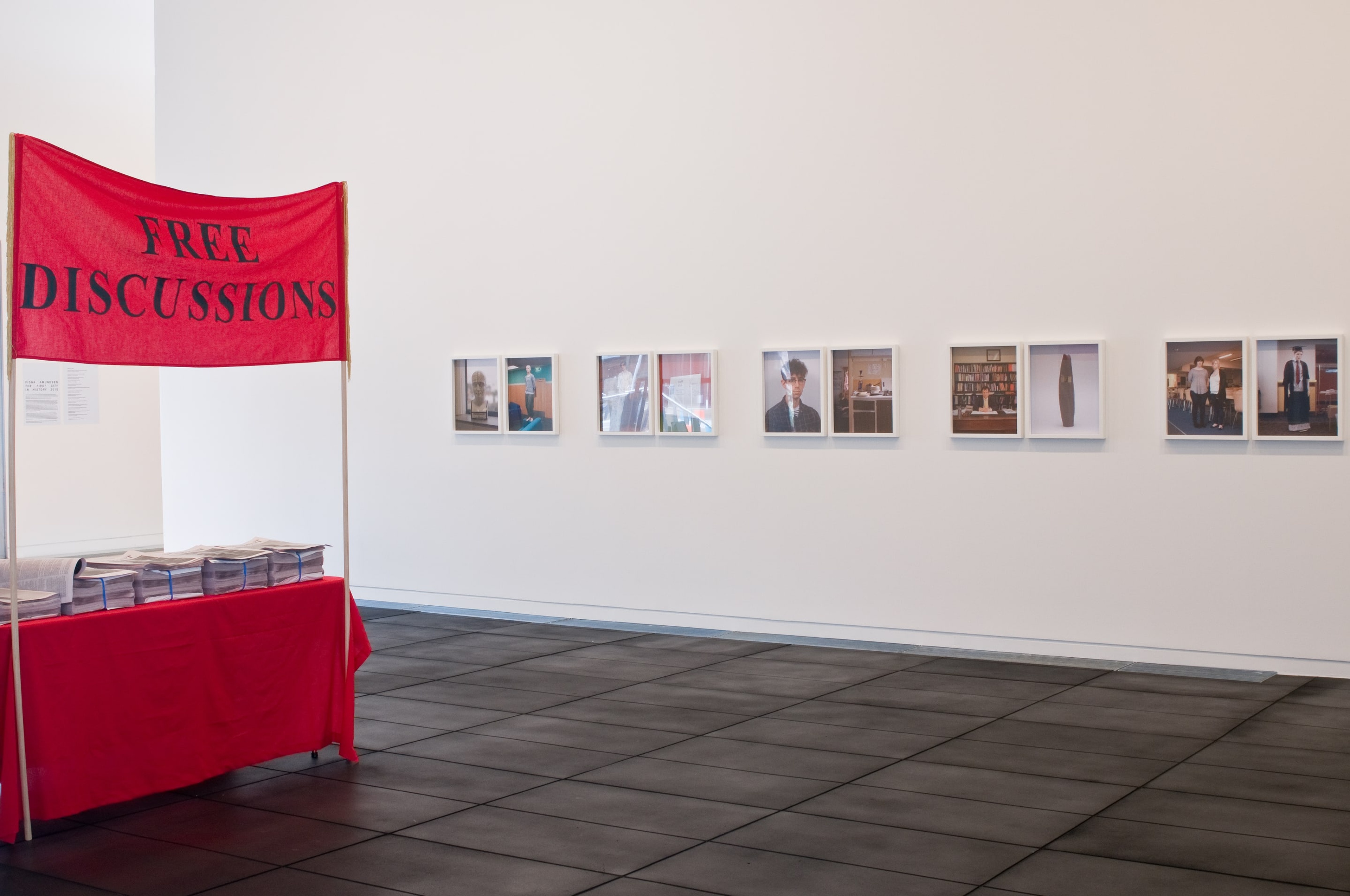
John Lake, The Campus, 2011. Installation view, Adam Art Gallery Te Pātaka Toi, Victoria University of Wellington, 2012. Photo: Robert Cross
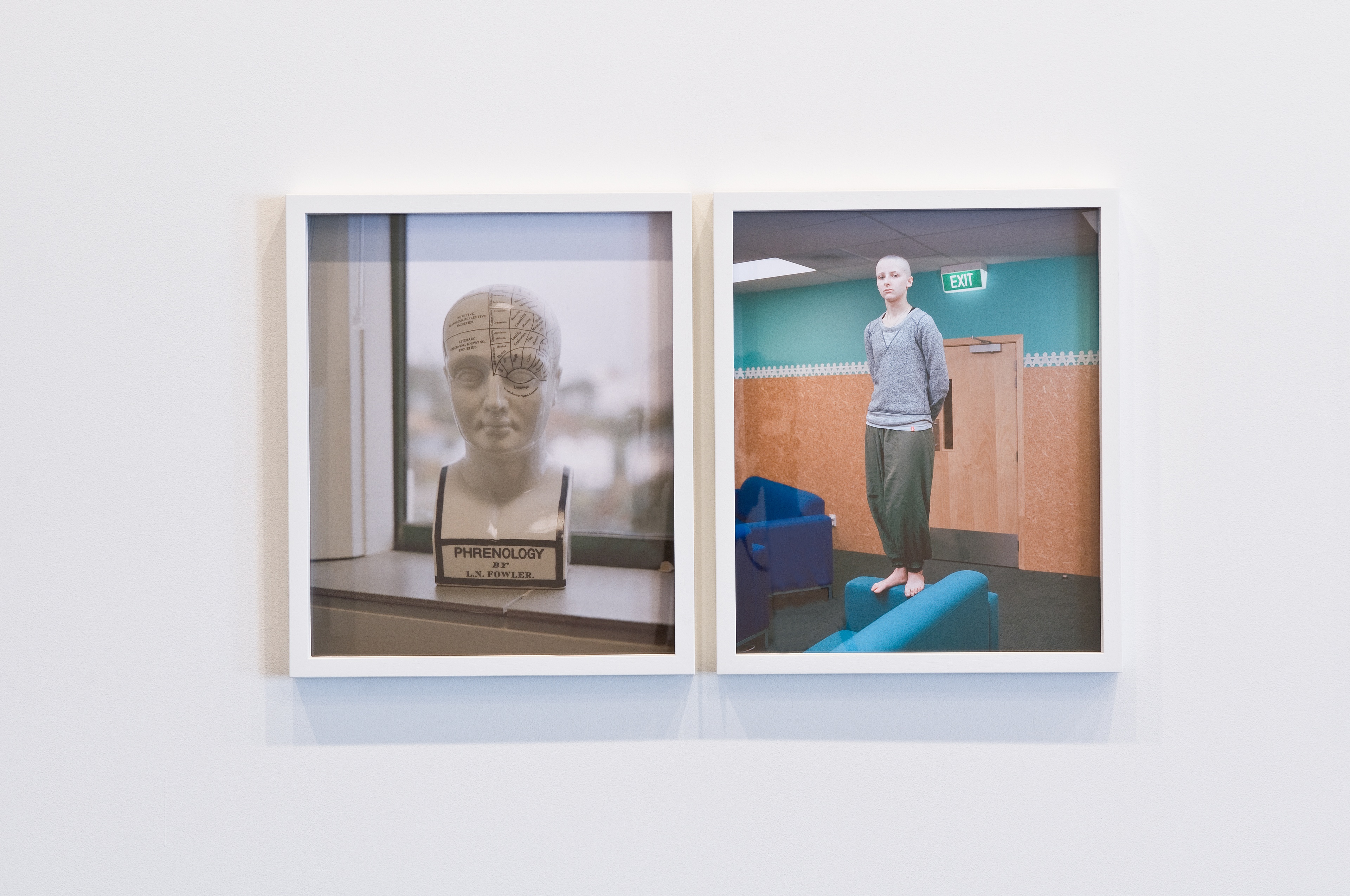
John Lake, The Campus, 2011. Installation view, Adam Art Gallery Te Pātaka Toi, Victoria University of Wellington, 2012. Photo: Robert Cross
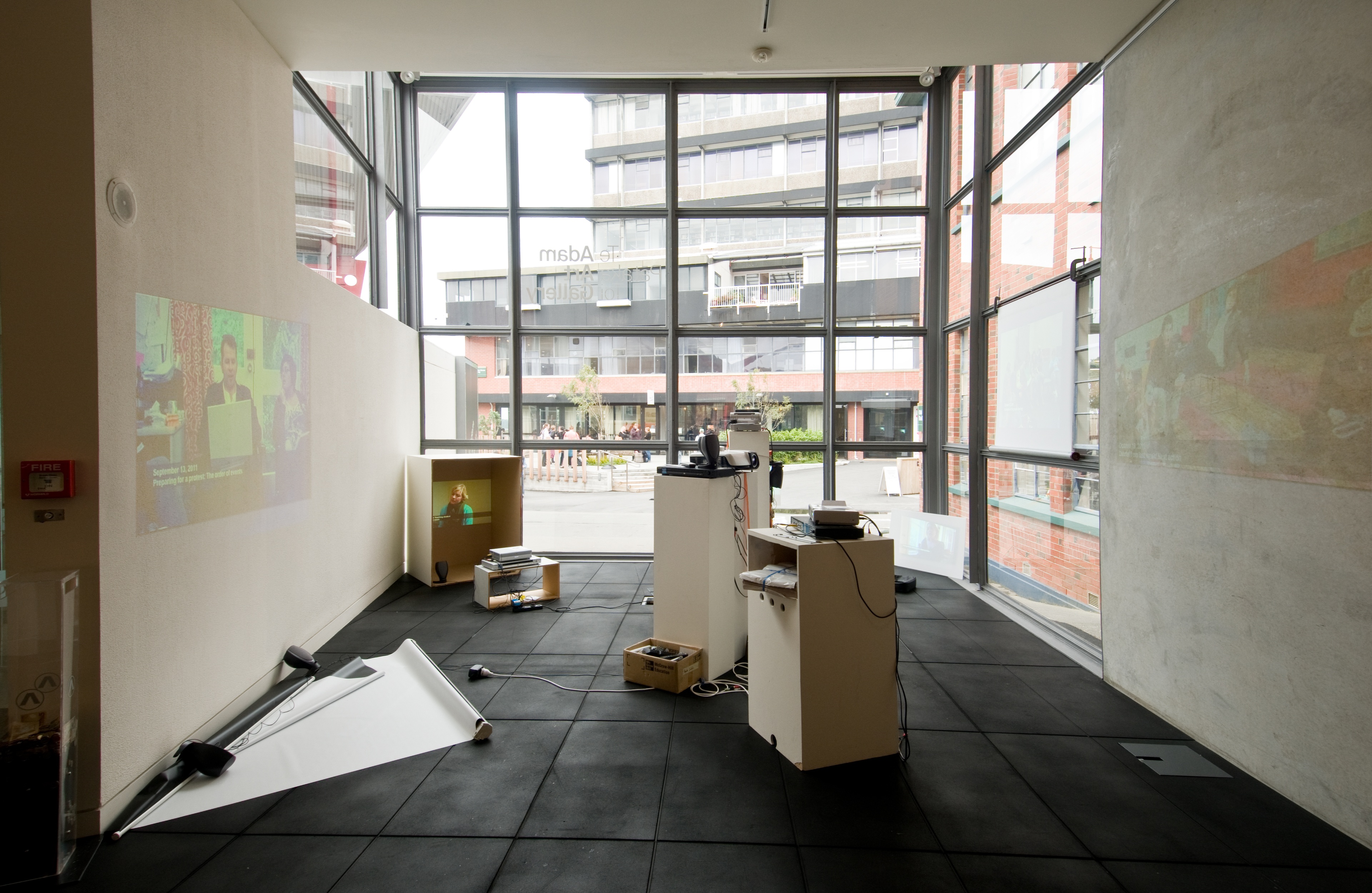
Installation view, Camera Work, Adam Art Gallery Te Pātaka Toi, Victoria University of Wellington, 2012. Photo: Robert Cross
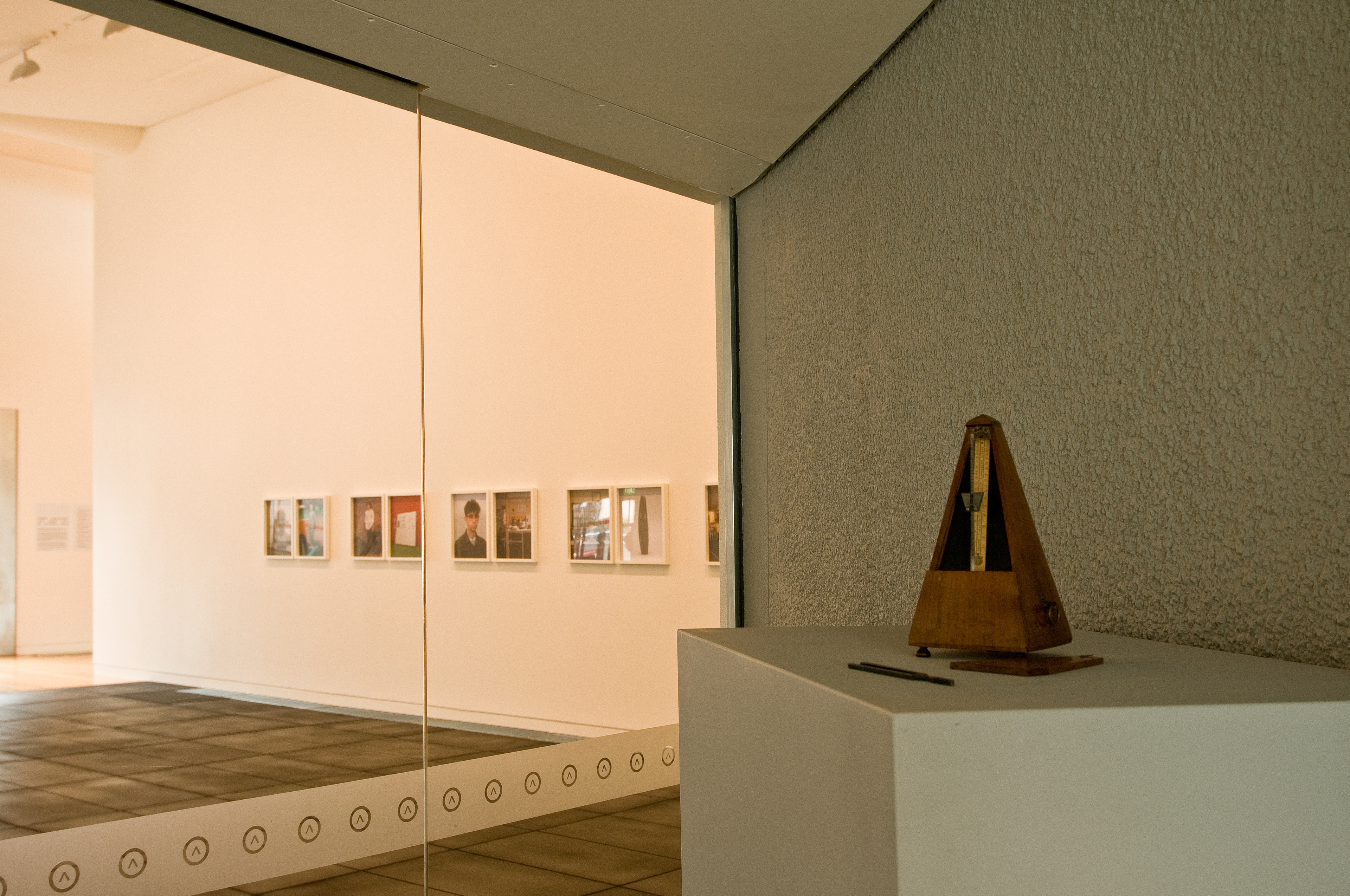
Installation view, Camera Work, Adam Art Gallery Te Pātaka Toi, Victoria University of Wellington, 2012. Photo: Robert Cross
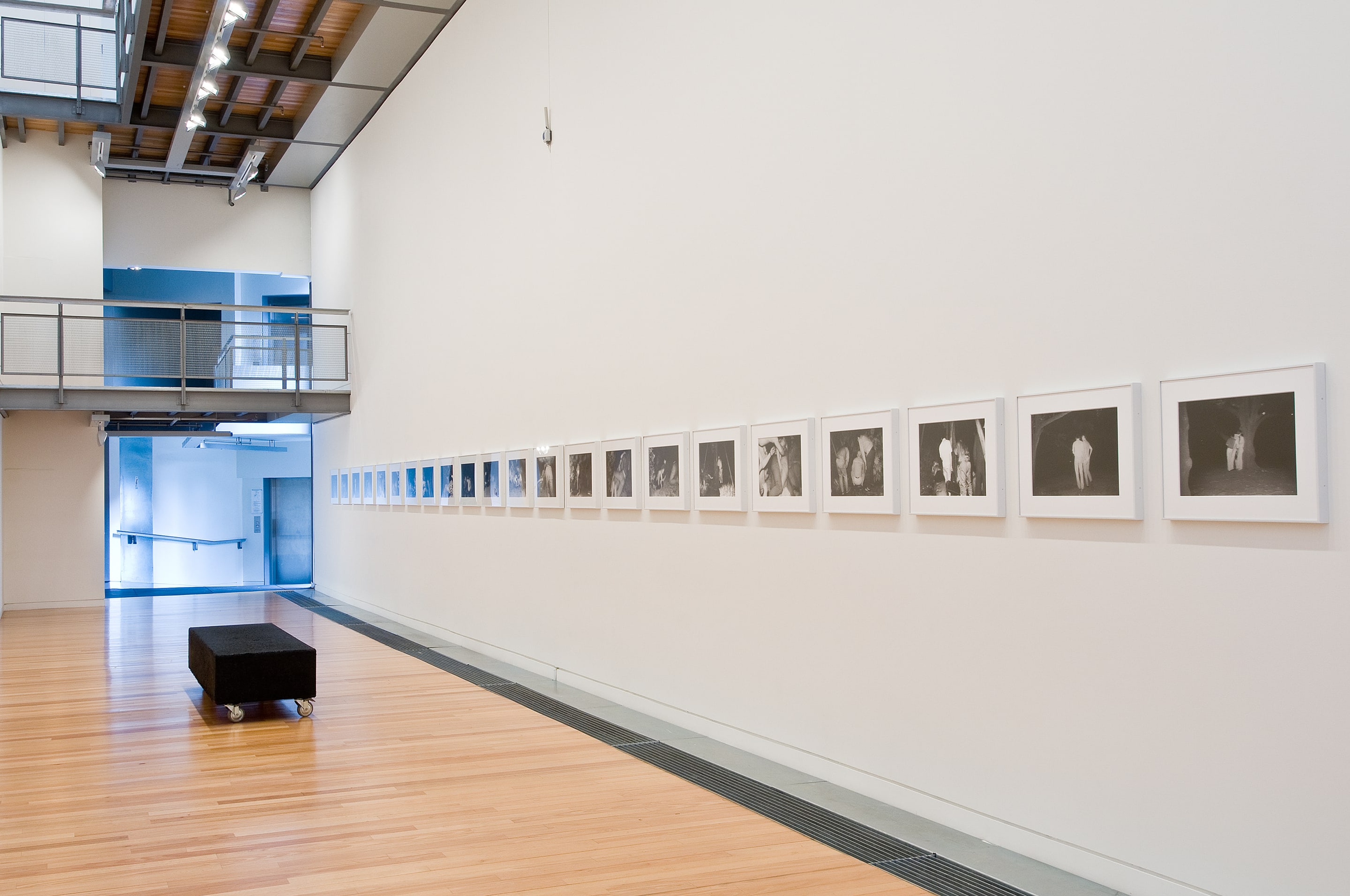
Kohei Yoshiyuki, The Park, 1971-72. Installation view, Adam Art Gallery Te Pātaka Toi, Victoria University of Wellington, 2012. Photo: Robert Cross
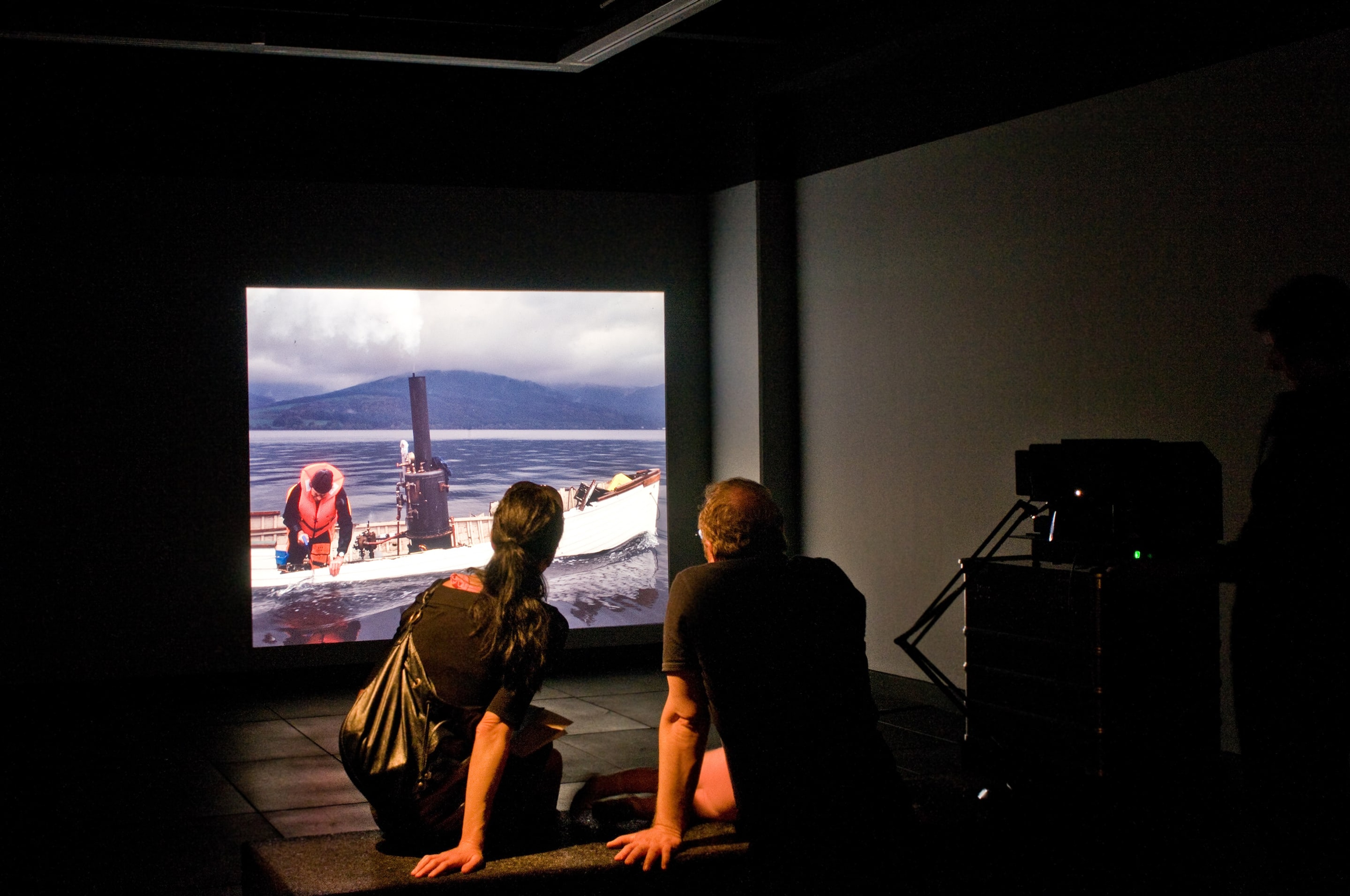
Simon Starling, Autoxylopyrocycloboros, 2006. Installation view, Adam Art Gallery Te Pātaka Toi, Victoria University of Wellington, 2012. Photo: Robert Cross